Male reproductive phenotype alterations in heterozygous β-globin gene knockout thalassemia (BKO) mice as a model for β-thalassemia patients
Heterozygous β-globin gene knockout thalassemia (BKO) mice derived from C57BL/6 wild-type (WT) mice have phenotypic of β-thalassemia (BT) and have been widely used for studying this disease except reproductive disorders. The present study determined whether male BKO mice recapitulate reproductive problems as BT men. Mice were randomly assigned into groups depending on the genotype (WT vs. BKO) and intervention (control vs. iron-loaded). Euthanized mice were collected blood, testes, epididymides, hypothalamus, and anterior pituitary for assessing hematological parameters, plasma iron and testosterone levels, testis iron levels, sperm characteristics, and histological alterations. Iron administration caused significant increases of plasma and testis iron levels (p < 0.001) but had no significant influence on the hematological profile of BKO mice, which indeed had fewer erythrocyte, hemoglobin, and hematocrit but had greater reticulocyte than WT (p < 0.001 to p = 0.017).
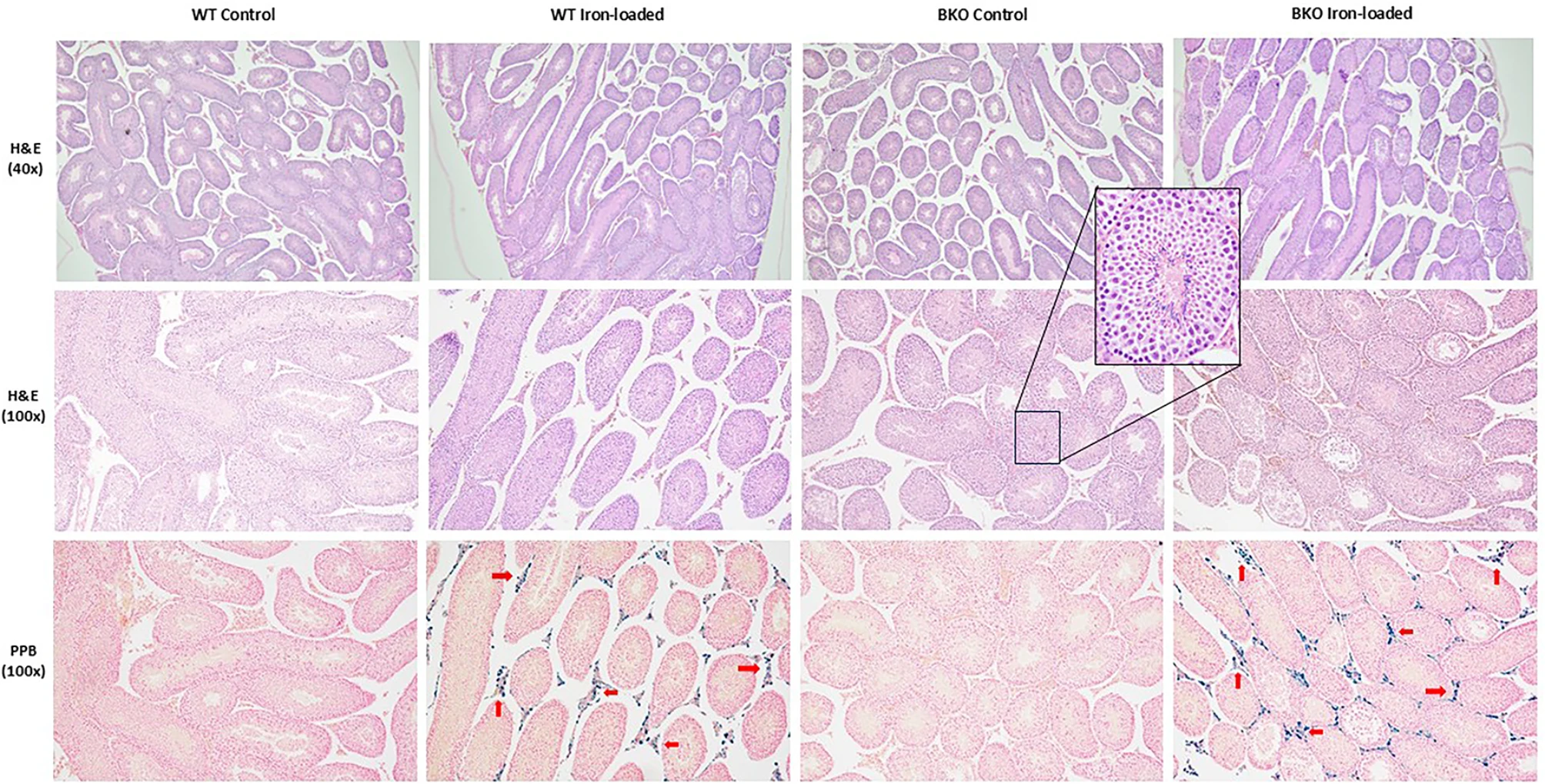
Furthermore, irrespective of the genotype, iron administration decreased plasma testosterone levels (p = 0.03 to p > 0.05), total sperm count (p < 0.001), and percent normal sperm morphology (p ≤ 0.01). Based on Perls’ Prussian blue staining, excess iron was ubiquitously present in the anterior pituitary and testicular interstitium of iron-loaded mice. This mineral, however, caused no significant changes in reproductive organs microstructure as visualized by hematoxylin and eosin staining. In conclusion, besides physiological dysfunction of many organ systems, iron-loaded male BKO mice exhibit reproductive problems and abnormal sperm characteristics similar to BT men. Therefore, this animal model seems invaluable for future biomedical research involved in various aspects of BT-related male reproductive disorders.
Analysis of precancerous lesion-related microRNAs for early diagnosis of cervical cancer in the Thai population
The incidence rate of cervical cancer (CC) is three times greater in Southeast Asia (SEA), where screening tests are less common than in Northern America, underlining a need for convenient self-diagnostic methods. The expression pattern of microRNAs (miRNAs) has been considered a molecular tool for non-invasive cancer diagnosis and prognosis. This study aimed at the development of the first miRNA biomarker panel for early detection of CC in Thai women. Genome-wide miRNA expression profiling was performed on cervical tissue and discharge samples from high-grade squamous intraepithelial lesion (HSIL) and adenocarcinoma in situ (AIS) subjects. Machine learning was used for handling imbalanced data and feature selection before differential expression analysis to identify significantly dysregulated miRNA panels. Pathway analysis was conducted to provide the cellular functions involved in CC progression.
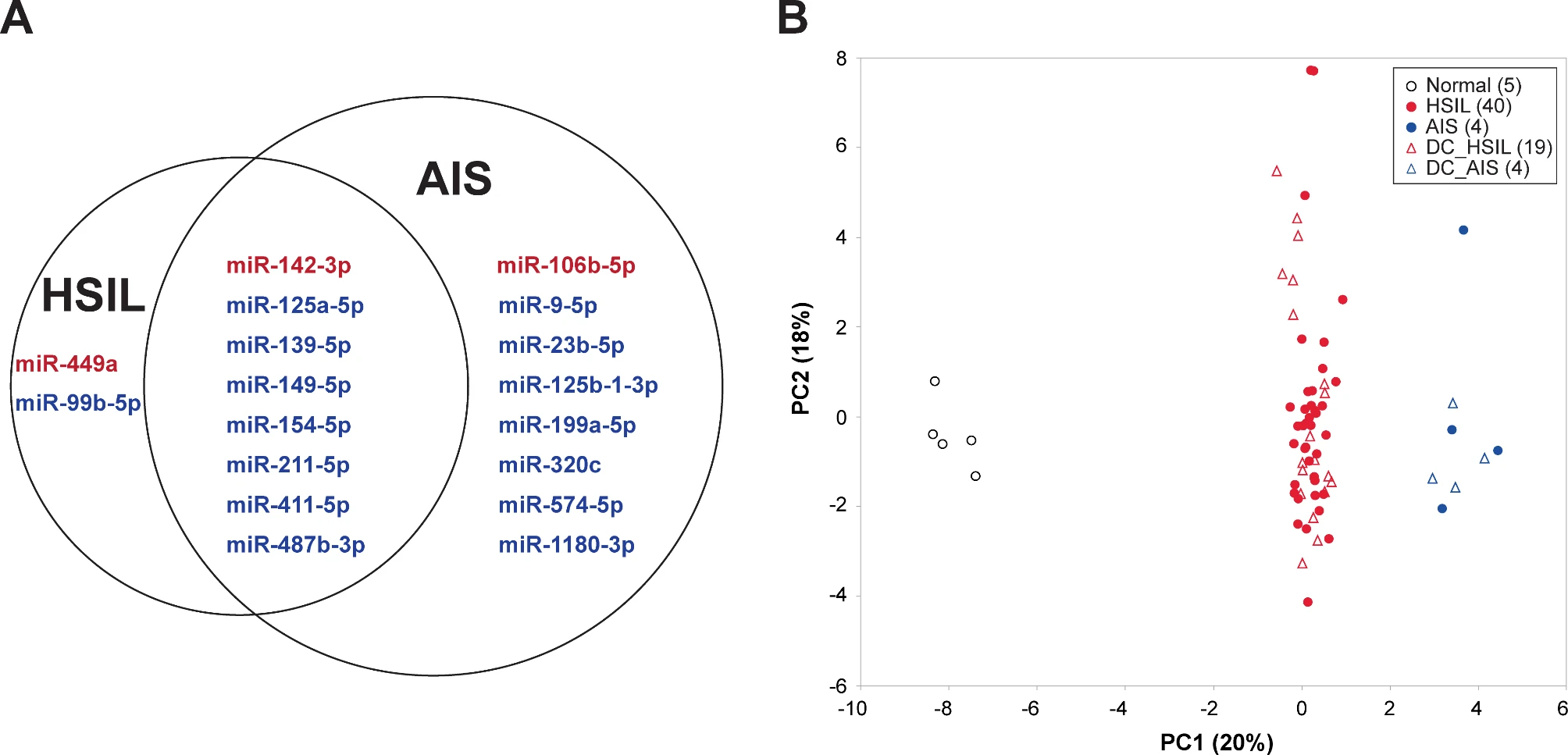
The study identified a shared 18-miRNA panel for both tissue and discharge, with which the prediction model distinguished HSIL and AIS from normal samples with an accuracy of 90.9%. Three dysregulated miRNAs comprised of miR-125b-1-3p, miR-487b-3p, and miR-1180-3p in CC were first described. Most of the miRNAs in the panel were down-regulated, whereas merely miR-142-3p was significantly up-regulated in HSIL and AIS, suggesting a convenient biomarker for detecting precancerous conditions. Moreover, our miRNA panel highlighted important roles played by the cell-cell interaction pathways in CC. Together, our miRNA panel hold promise as a biomarker for the early detection of cervical cancer with cervical discharge, offering the possibility for developing non-invasive diagnostic tools.
Oxytocin Protects Against Corticosterone-Induced DA Dysfunction: An Involvement of the PKA/CREB Pathway
Chronic stress disrupts dopamine (DA) transmission, adversely affecting mood and contribution to neuropsychiatric disorders like ADHD, autism, schizophrenia, anxiety, depression, and drug addiction. The neuropeptide oxytocin (OXT) plays a key role in social cognition, bonding, attachment, and parenting behaviors. In addition, OXT can modulate the activity of the HPA axis, counteracting the effects of stress, and alleviating fear and anxiety. However, whether OXT can mitigate stress-induced DA dysfunction and the underlying mechanisms remains unclear. This study investigated the neuroprotective effects of OXT on corticosterone (CORT) induced DA dysfunction in the neuroblastoma cell line SH-SY5Y. The results revealed that CORT decreases the levels of intracellular signaling molecules associated with DA function, including phosphorylated tyrosine hydroxylase (pTH), phosphorylated cAMP response element-binding protein (pCREB), and protein kinase A (PKA). Interestingly, pretreatment with OXT mitigated CORT-induced DA dysfunction through its potent PKA activator properties. In addition, the neuroprotective effect of OXT was abolished by atosiban (an OXT receptor antagonist) or H89 (a PKA inhibitor).
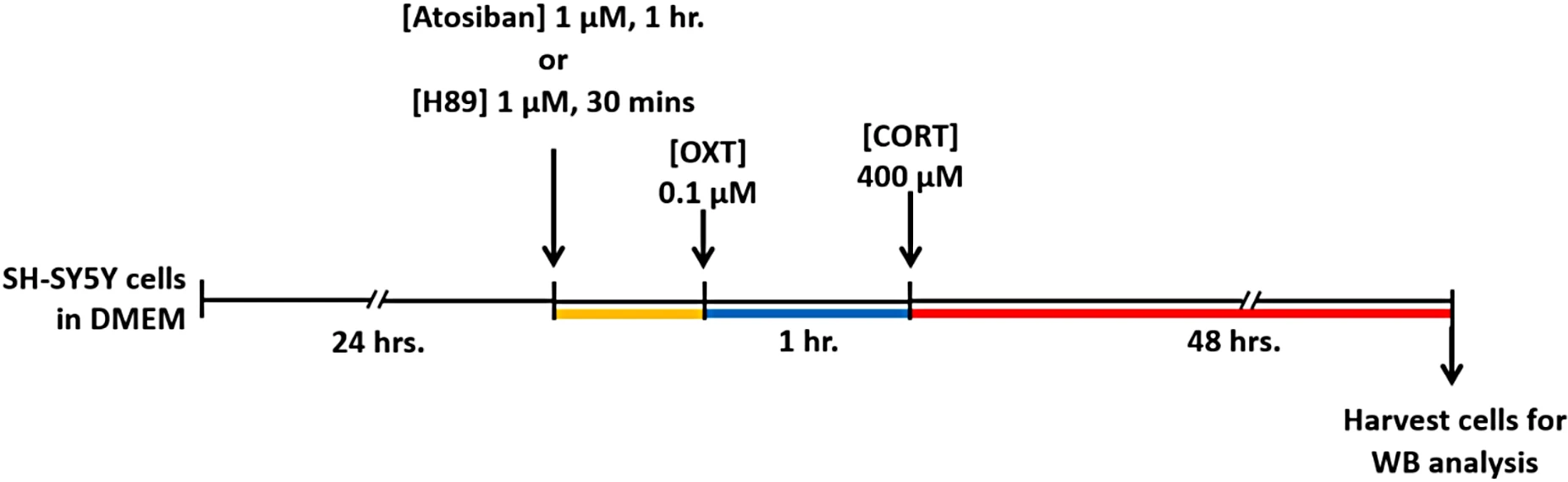
Our results suggest that OXT protects dopaminergic neuroblastoma cells from CORT-induced DA dysfunction, potentially through the involvement of oxytocin receptors and the PKA/CREB signaling pathway. These findings contribute to the understanding of the neurobiological mechanisms underlying stress resilience and highlight potential pathways for developing targeted treatments that leverage the neuroprotective properties of OXT to address disorders characterized by DA dysregulation and impaired stress responses.
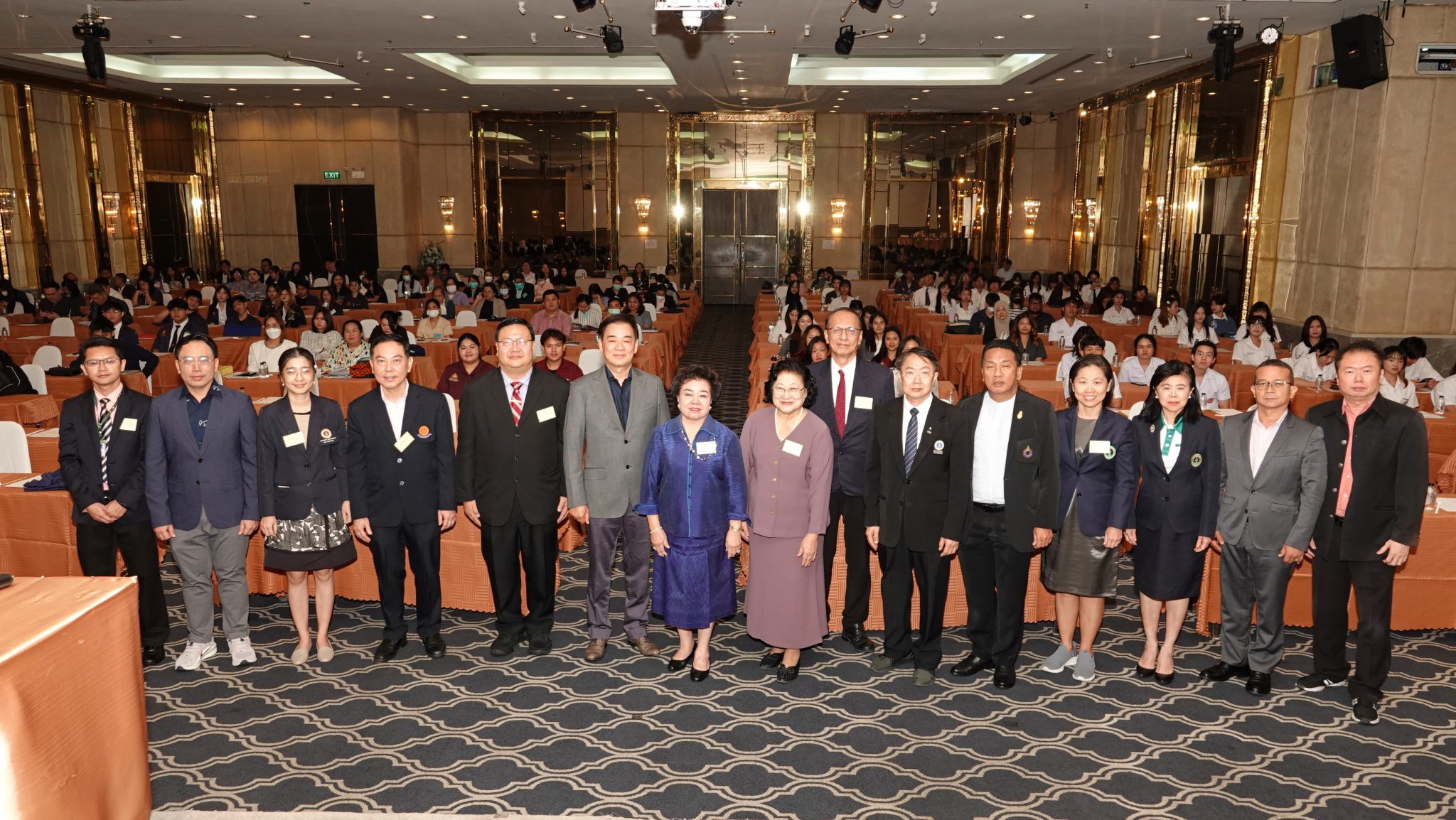
งานประชุมวิชาการอุปกรณ์การแพทย์ ครั้งที่ 34
เรื่อง การเชื่อมโยงมนุษย์กับเทคโนโลยีปัญญาประดิษฐ์ในระบบการแพทย์
1 สิงหาคม 2567 พลตำรวจโทหญิง สุวัฒนา โภคสวัสดิ์ ประธานที่ปรึกษาสมาคมอุปกรณ์การแพทย์ไทย ให้เกียรติเป็นประธานในพิธีเปิดงานประชุมวิชาการอุปกรณ์การแพทย์ ครั้งที่ 34 เรื่อง การเชื่อมโยงมนุษย์กับเทคโนโลยีปัญญาประดิษฐ์ในระบบการแพทย์ (Connecting Humanity with AI Technology in Medical System) จัดโดย ศูนย์วิจัยชีววัตถุการแพทย์ชั้นสูงเพื่อการรักษา สถาบันชีววิทยาศาสตร์โมเลกุล ร่วมกับ สมาคมอุปกรณ์การแพทย์ไทย เพื่อเปิดเวทีให้บุคลากรทางการแพทย์ได้มีโอกาสแลกเปลี่ยนประสบการณ์ และเรียนรู้การประยุกต์ใช้เทคโนโลยีดิจิทัลในโรงพยาบาลและพร้อมมุ่งสู่การแพทย์ที่ก้าวหน้านำสมัย โดยงานประชุมวิชาการในครั้งนี้จัดขึ้นระหว่างวันที่ 1 – 2 สิงหาคม 2567 ณ ห้องอมรินทร์ โรงแรม เอส ดี อเวนิว กรุงเทพมหานคร
ในโอกาสนี้ ดร.ณัฐวุฒิ พงศ์สิริ อดีตนายกสมาคมการจัดงานบุคคลแห่งประเทศไทย (PMAT) เป็นผู้แสดงปาฐกถาศาสตราจารย์เกียรติคุณ ดร. นายแพทย์ชูศักดิ์ เวชแพศย์ เรื่อง Connecting Humanity and Technology ภายในงานมีการแลกเปลี่ยนด้านวิชาการที่เกี่ยวข้องกับปัญญาประดิษฐ์ในประเด็นต่าง ๆ อาทิ ปัญญาประดิษฐ์กับระบบการจ่ายยา ปัญญาประดิษฐ์ในการตรวจสอบเวชภัณฑ์ทางการแพทย์ ปัญญาประดิษฐ์กับการบริหารจัดการผู้ป่วยในหอผู้ป่วยวิกฤติ ปัญญาประดิษฐ์จากงานวิจัยสู่การใช้งานจริงในประเทศไทย การบริการทางการแพทย์แบบไร้รอยต่อ การใช้งานปัญญาประดิษฐ์กับจริยธรรมทางการแพทย์ และปัญญาประดิษฐ์ในเครื่องมือแพทย์ นอกจากนี้ยังมีพิธีมอบทุนการศึกษาศาสตราจารย์เกียรติคุณ ดร. นายแพทย์ชูศักดิ์ เวชแพศย์ และทุนพลตำรวจโทหญิง สุวัฒนา โภคสวัสดิ์ เพื่อสนับสนุนการศึกษาสำหรับนักศึกษาปริญญาตรี ประจำปี 2567
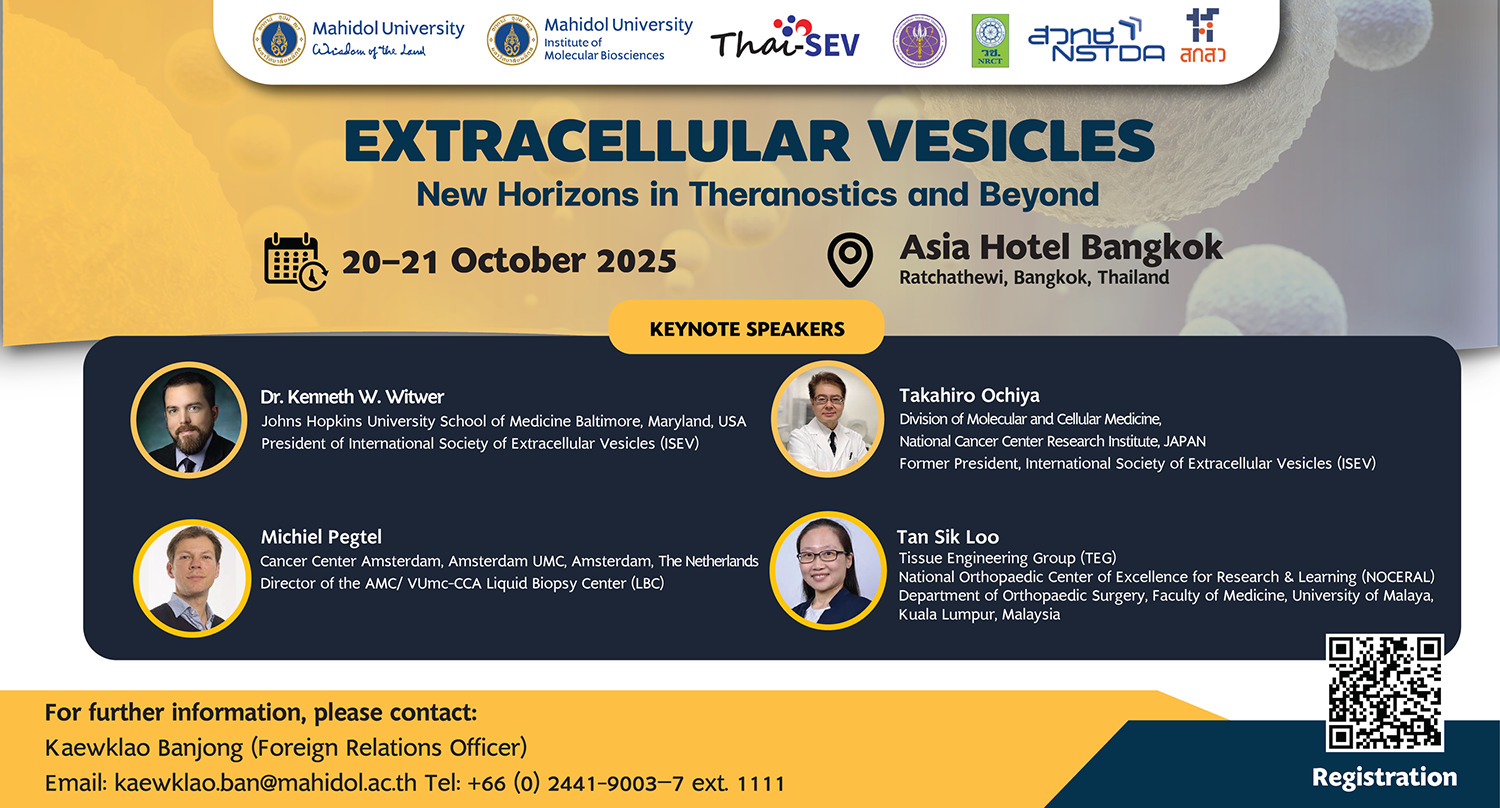
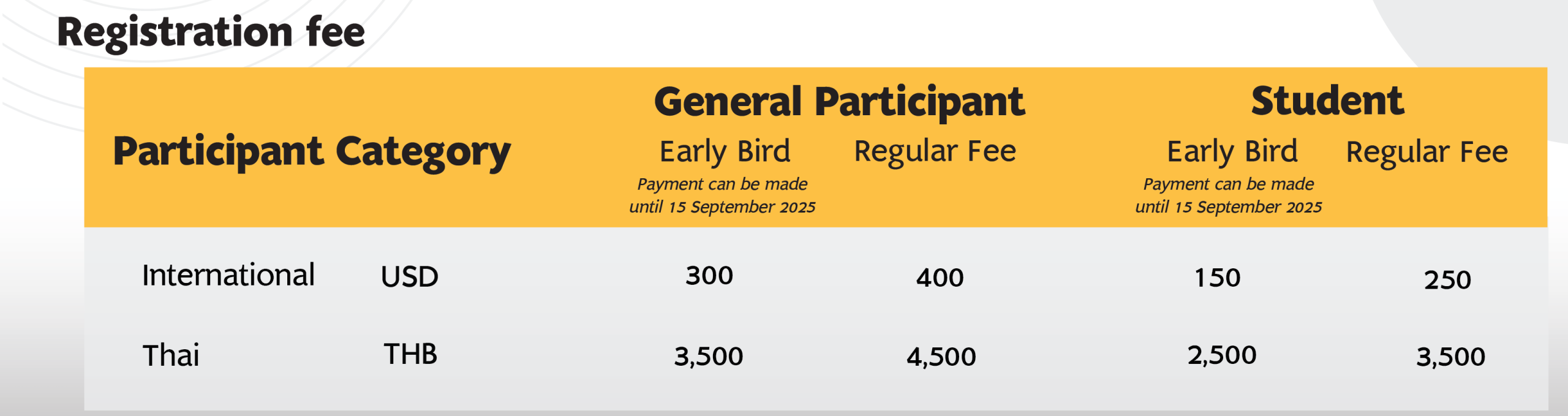
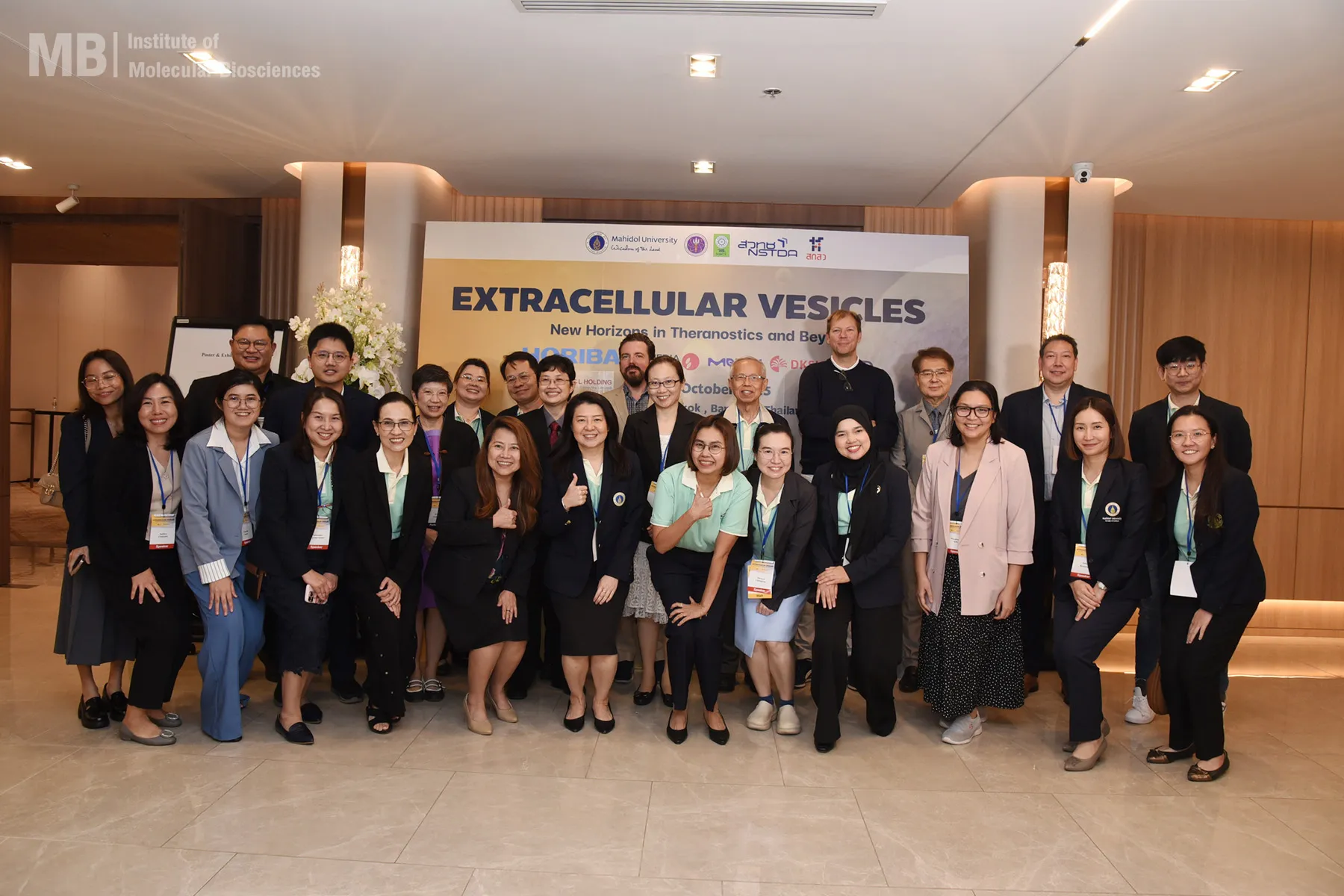
Countdown to Extracellular Vesicles
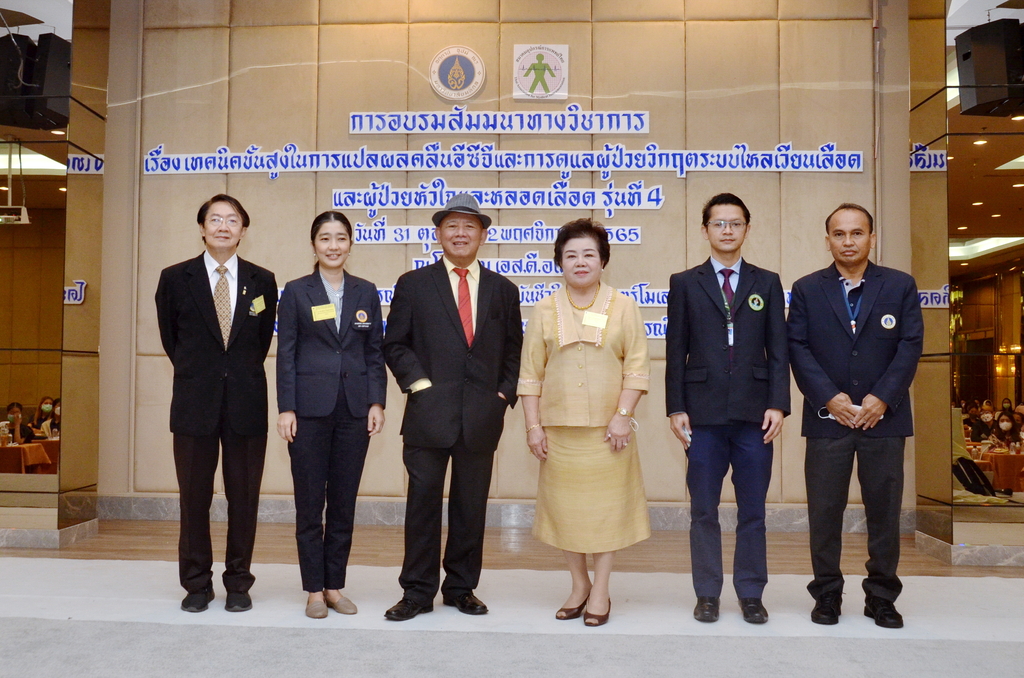
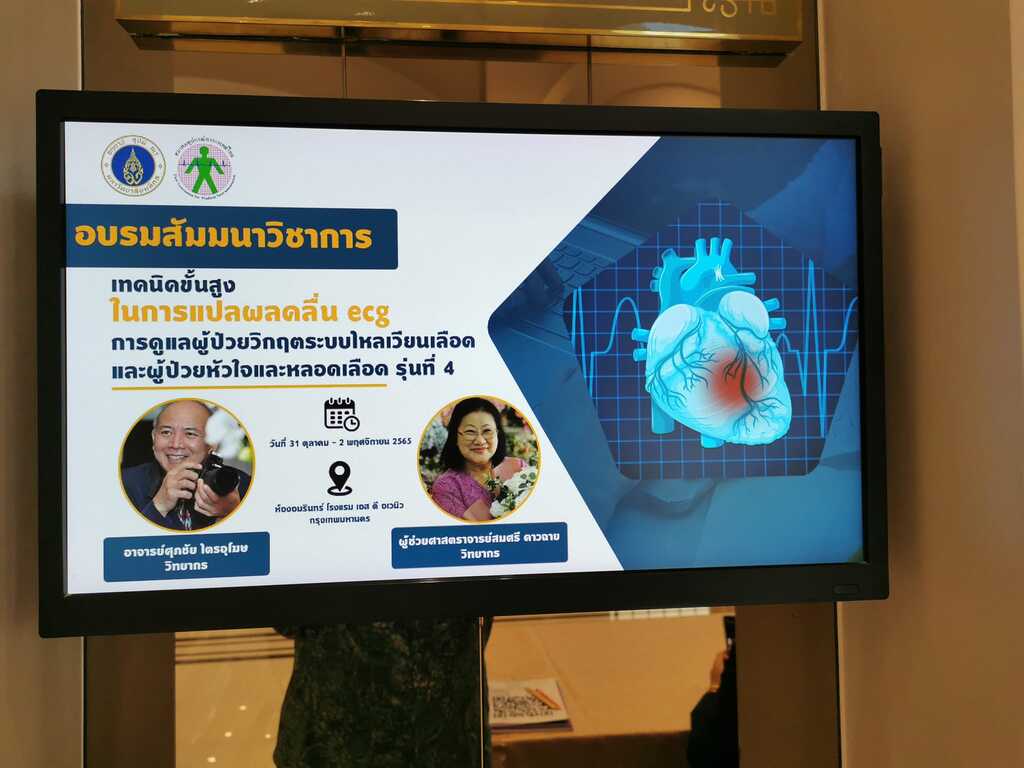
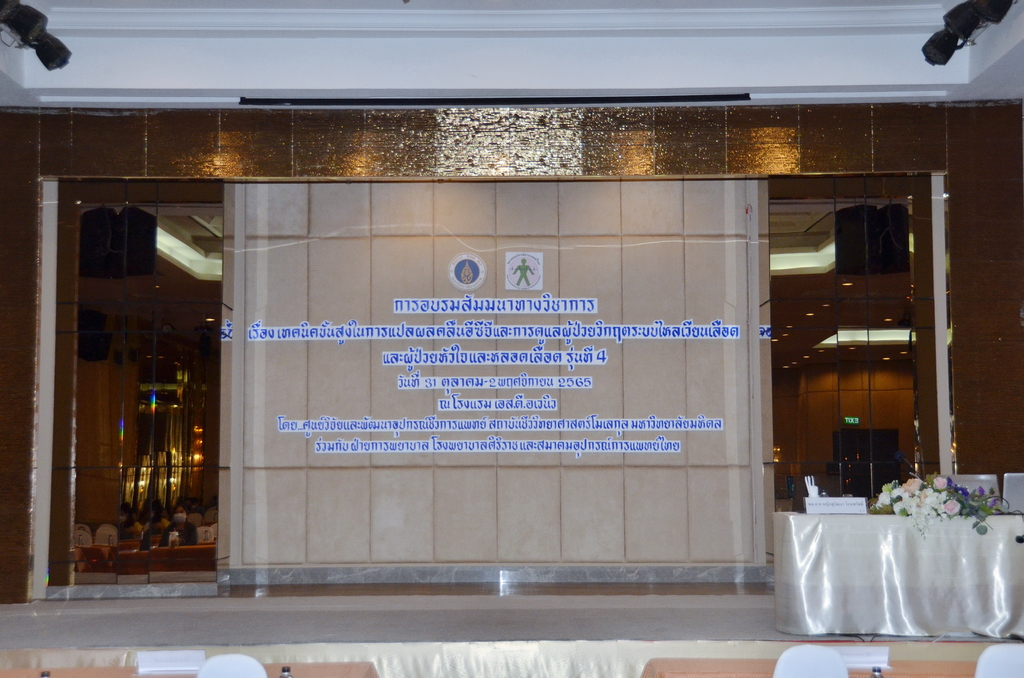
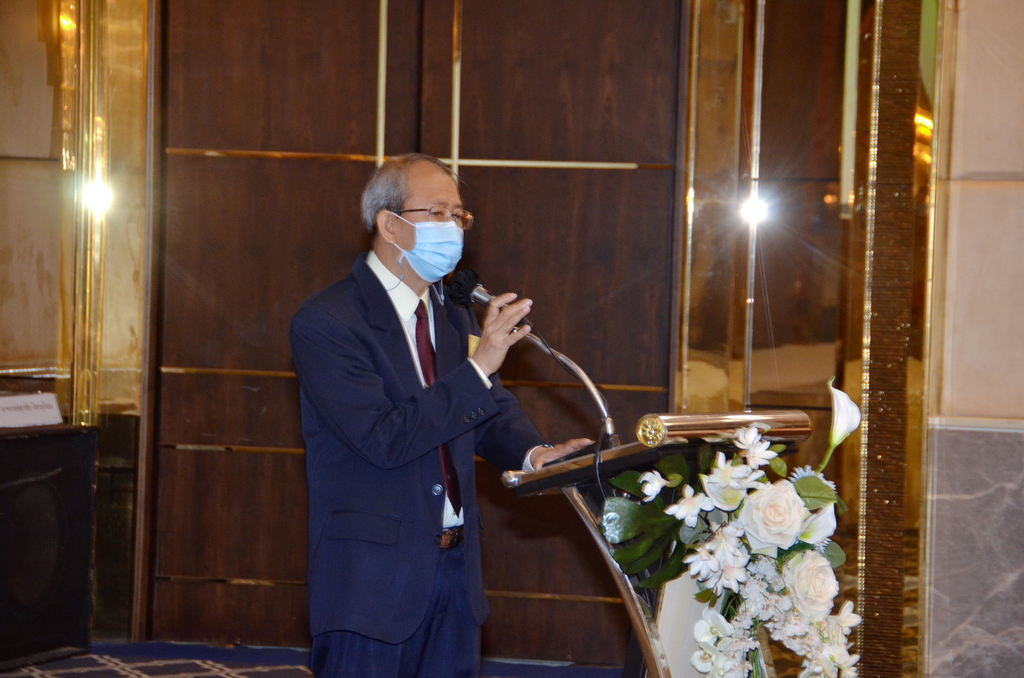
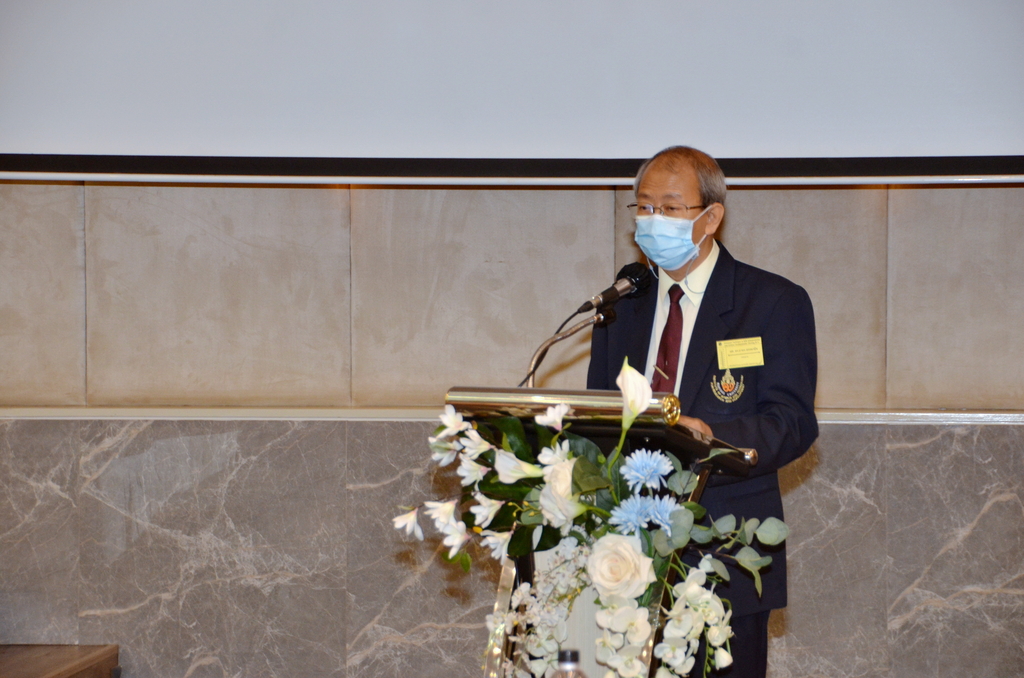
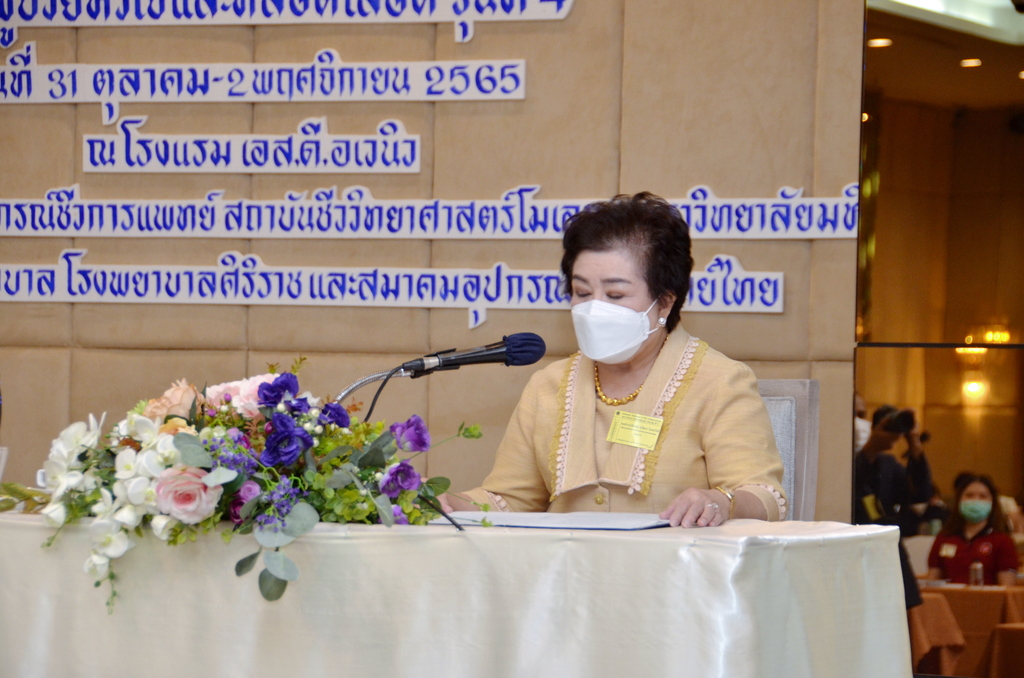
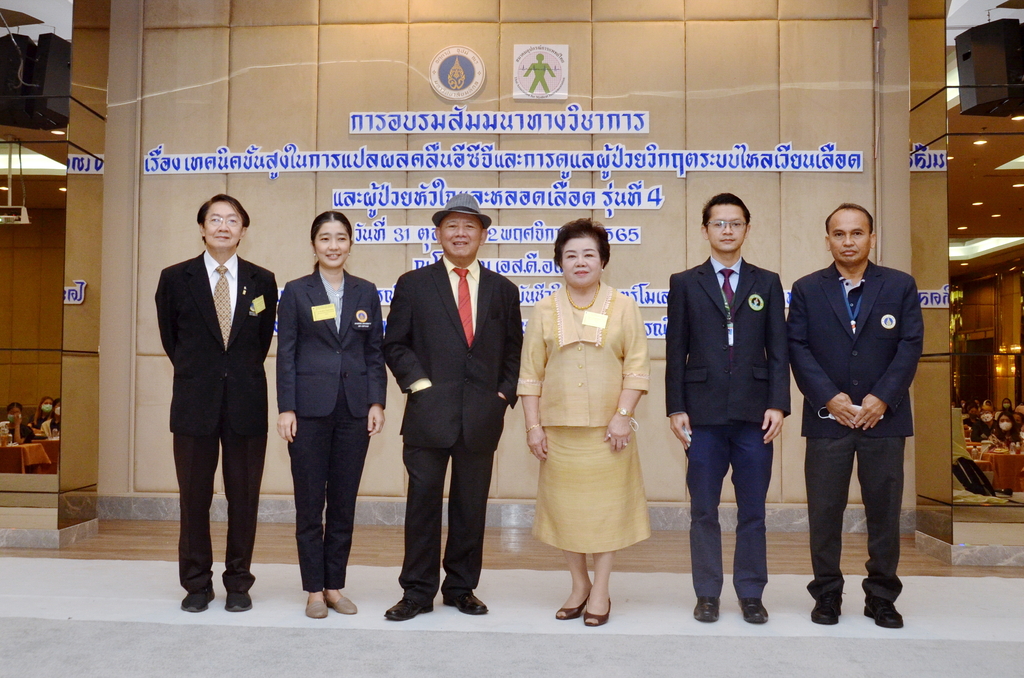
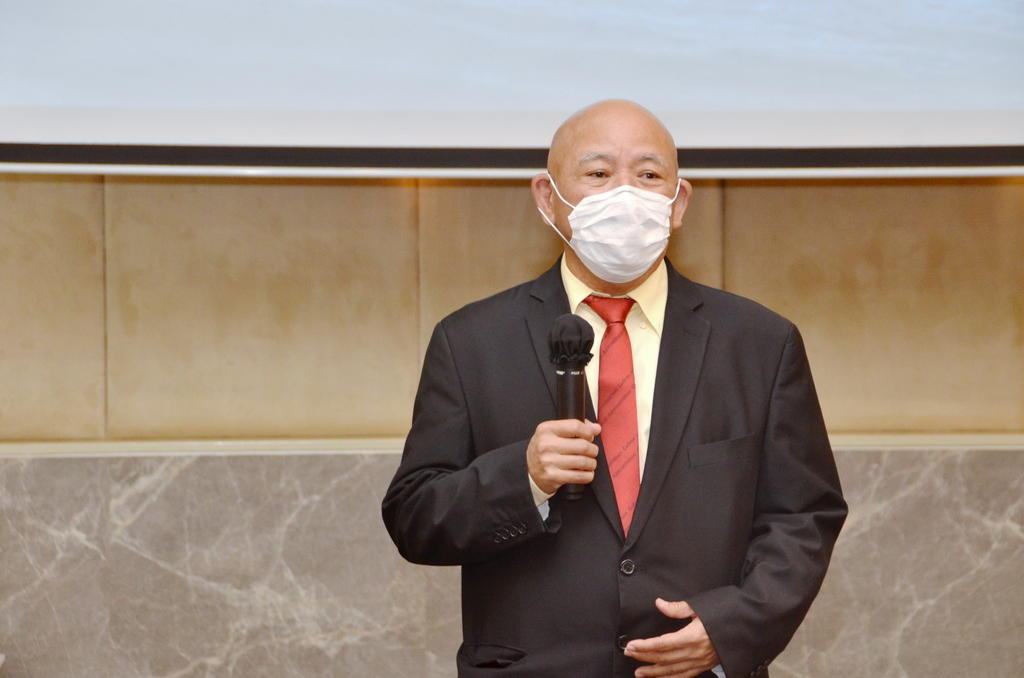
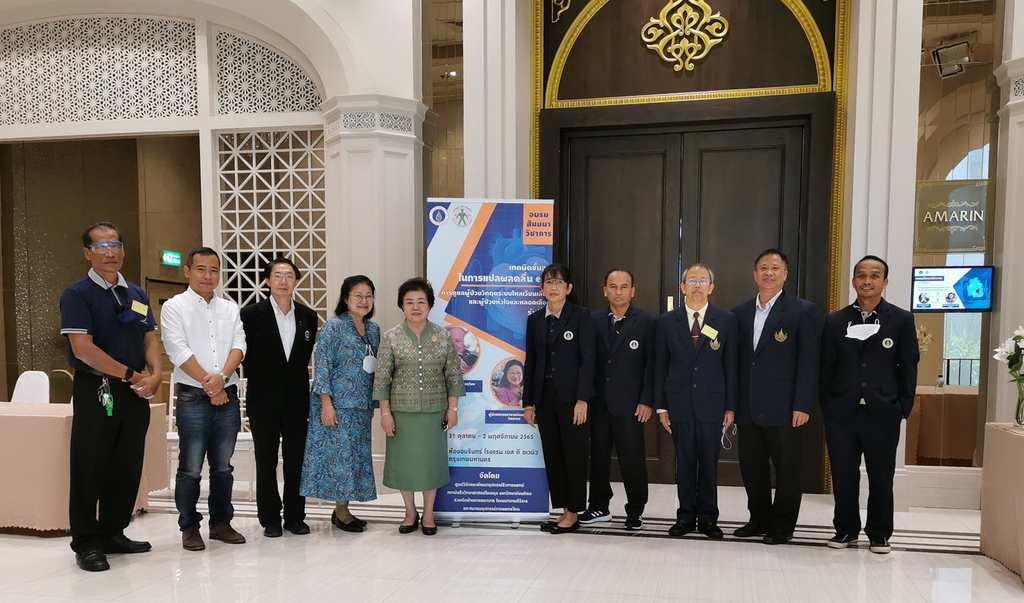
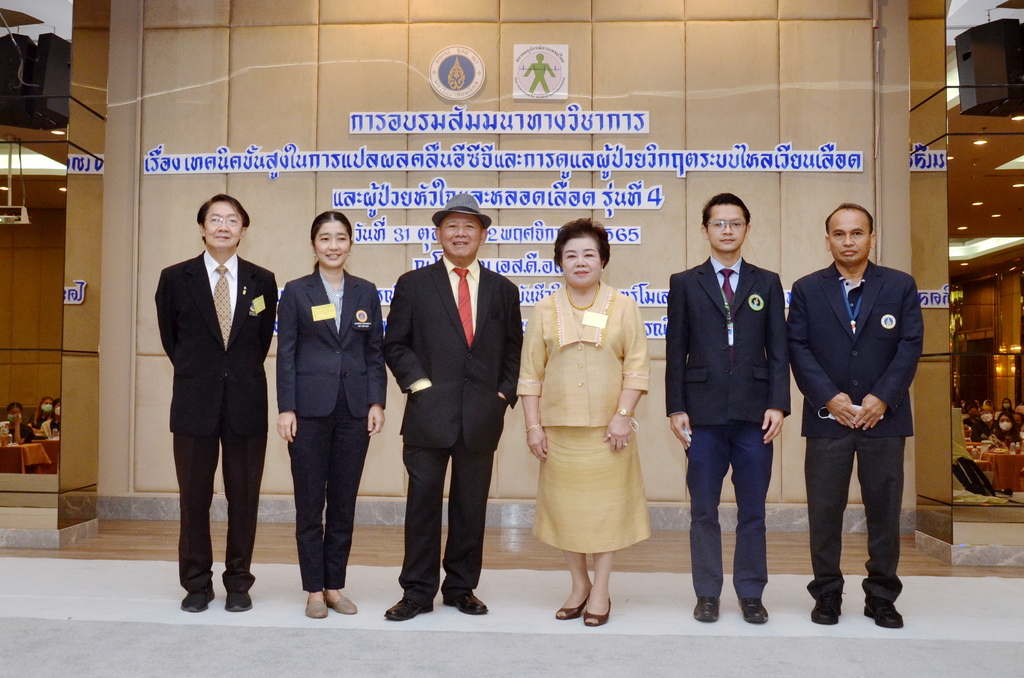
จัดอบรมสัมมนาทางวิชาการ เรื่อง เทคนิคขั้นสูงในการแปลผลคลื่นอีซีจีและการดูแลผู้ป่วยวิกฤตระบบไหลเวียนเลือด และผู้ป่วยหัวใจหลอดเลือด รุ่นที่ 4
วันที่ 31 ตุลาคม – 2 พฤศจิกายน 2565 ศูนย์วิจัยและพัฒนาอุปกรณ์ชีวการแพทย์ สถาบันชีววิทยาศาสตร์โมเลกุล ร่วมกับฝ่ายการพยาบาลโรงพยาบาลศิริราช และสมาคมอุปกรณ์การแพทย์ไทย จัดอบรมสัมมนาทางวิชาการ เรื่อง เทคนิคขั้นสูงในการแปลผลคลื่นอีซีจีและการดูแลผู้ป่วยวิกฤตระบบไหลเวียนเลือด และผู้ป่วยหัวใจหลอดเลือด รุ่นที่ 4
ณ โรงแรม เอส ดี อเวนิว ถนนบรมราชชนนี กรุงเทพมหานคร โดยการประชุมวิชาการในครั้งนี้ มุ่งเพิ่มพูนความรู้สำหรับพยาบาล หรือผู้ปฏิบัติหน้าที่ในหอผู้ป่วยวิกฤตและฉุกเฉิน ซึ่งงานนี้มีบุคลากรในแวดวงสาธารณสุขร่วมแลกเปลี่ยนประสบการณ์กว่า 200 คน
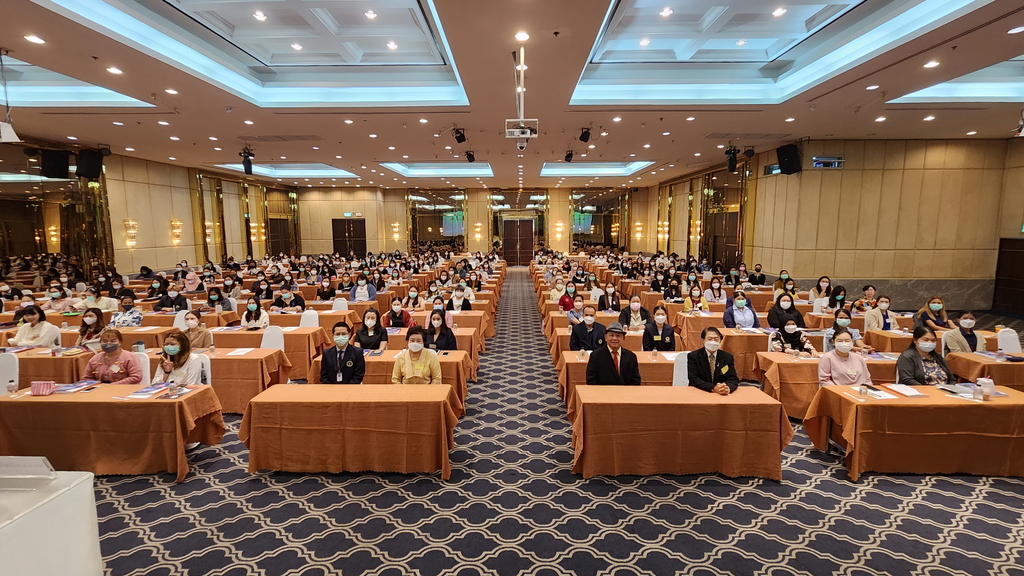
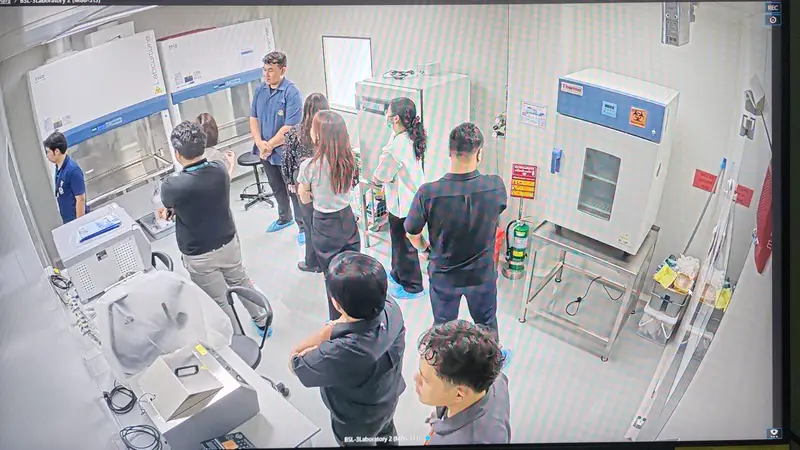
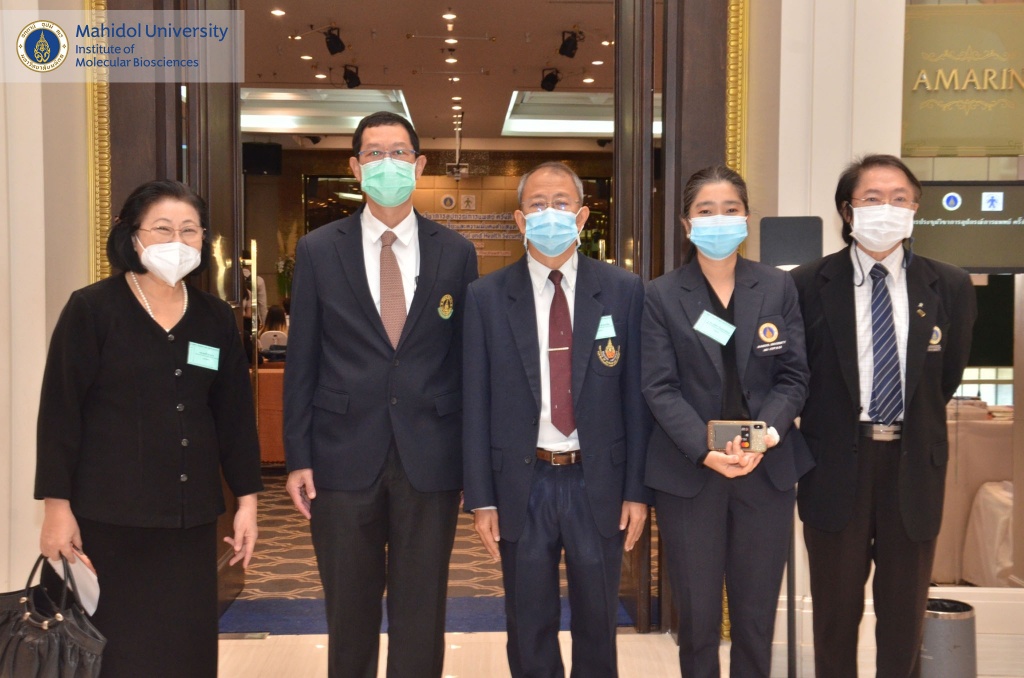
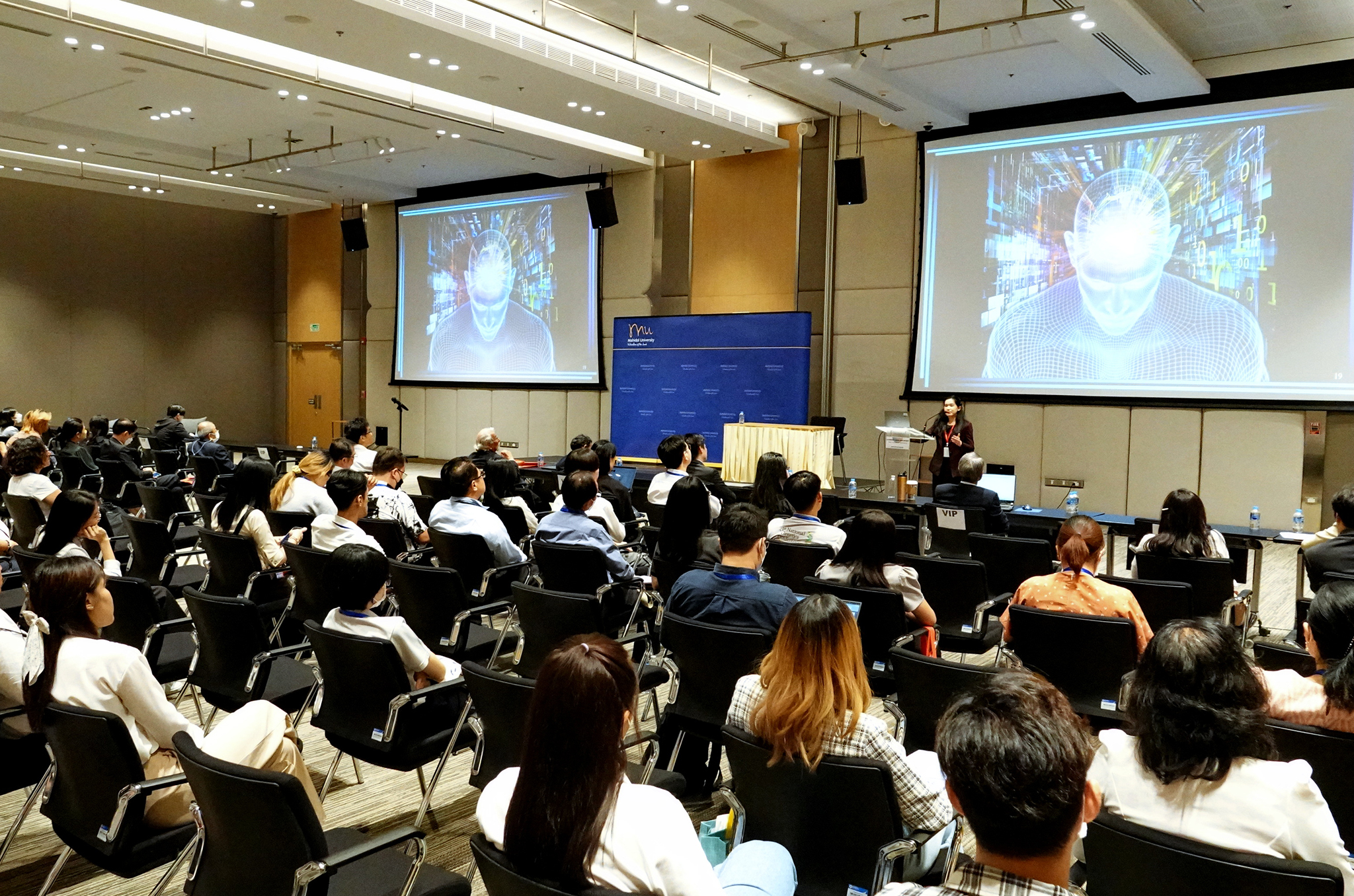

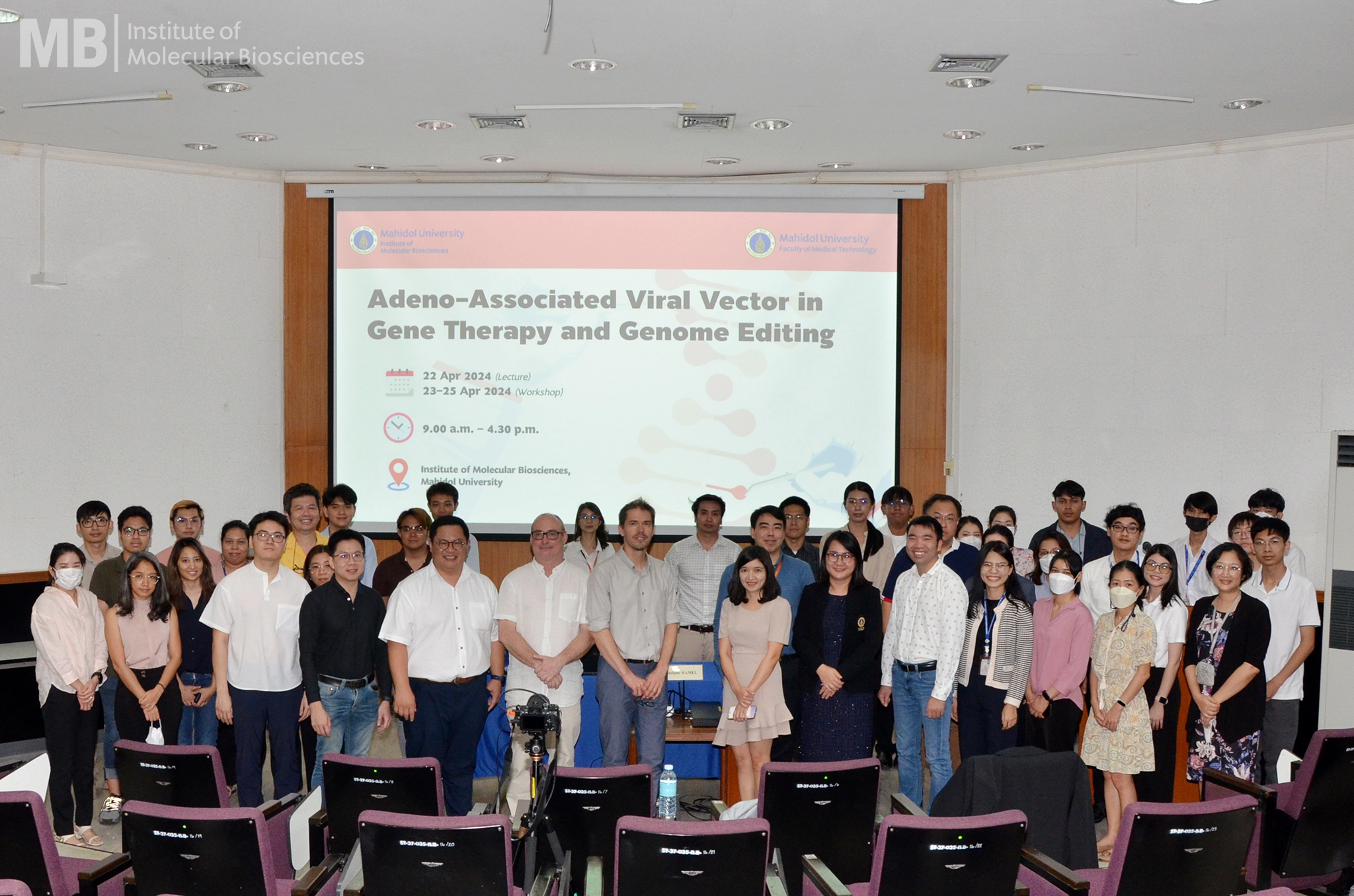
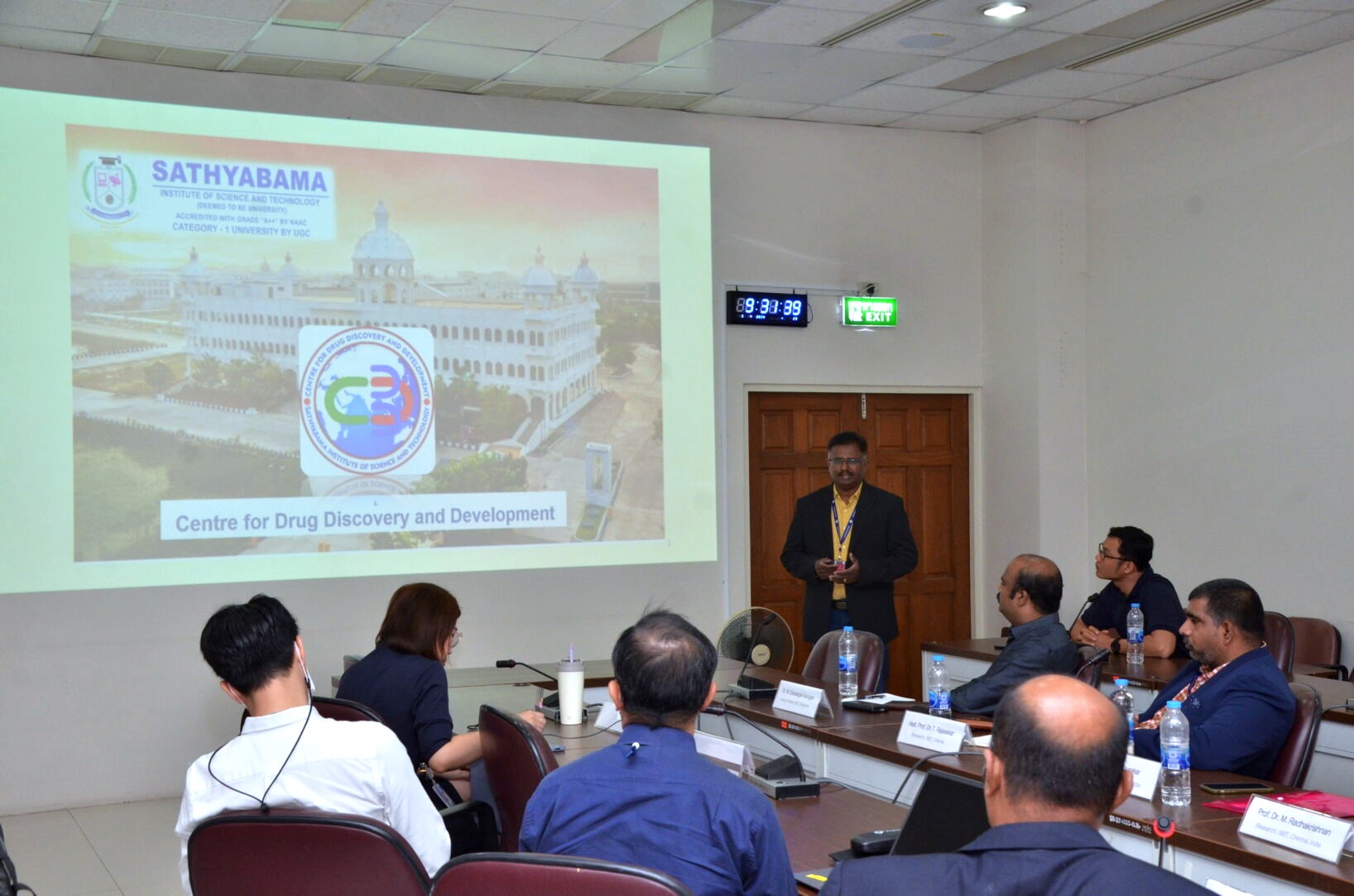
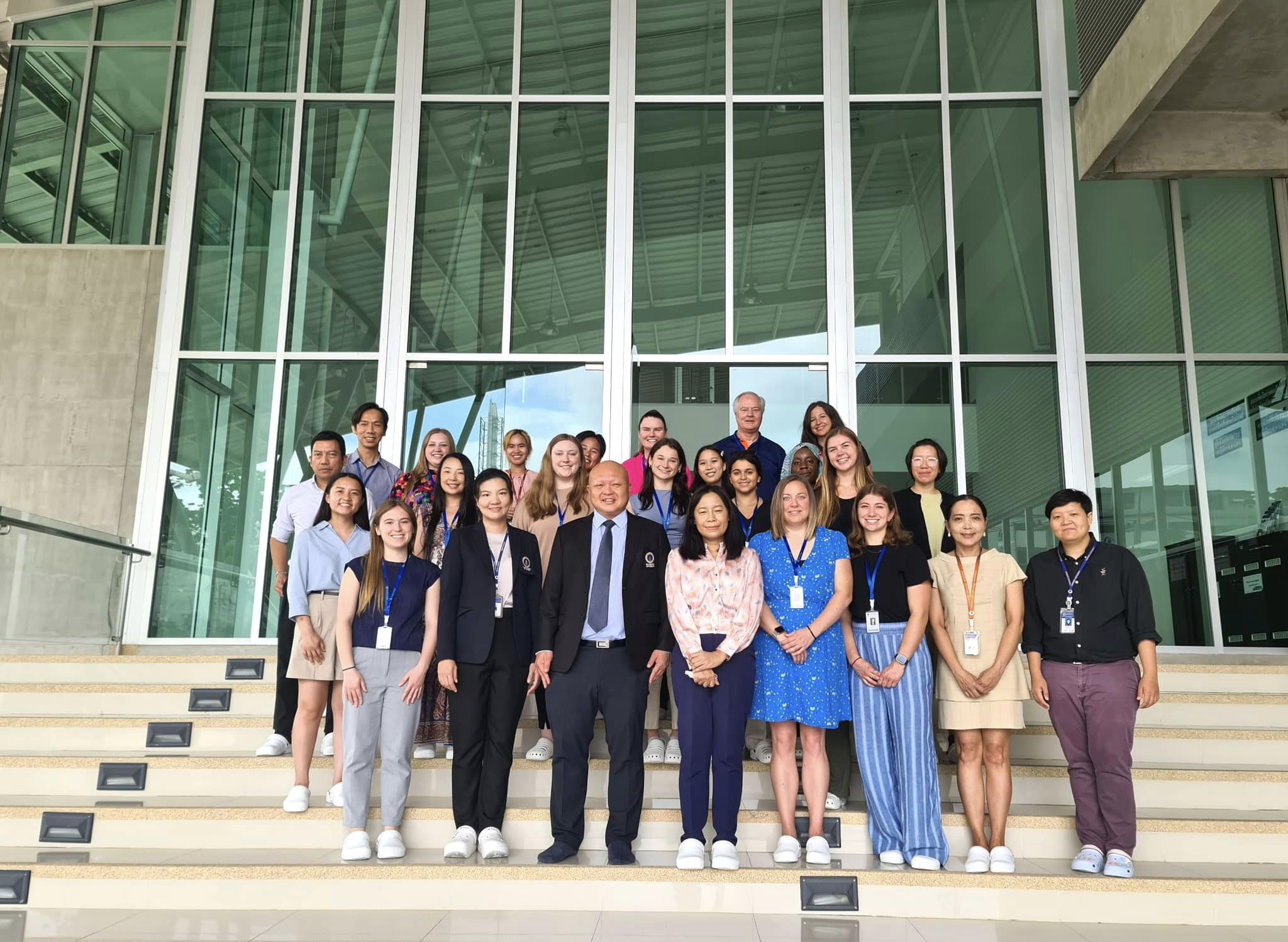
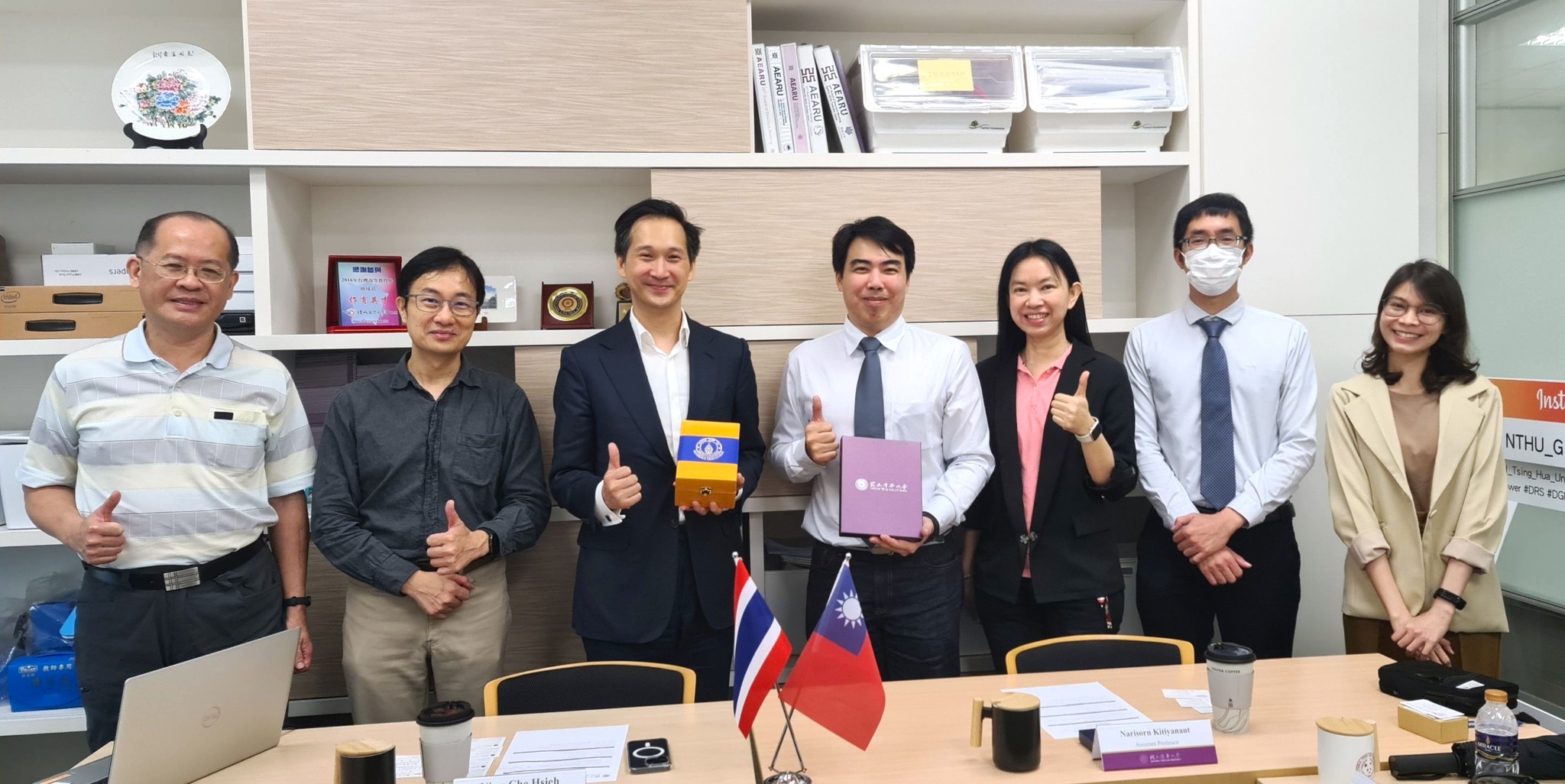
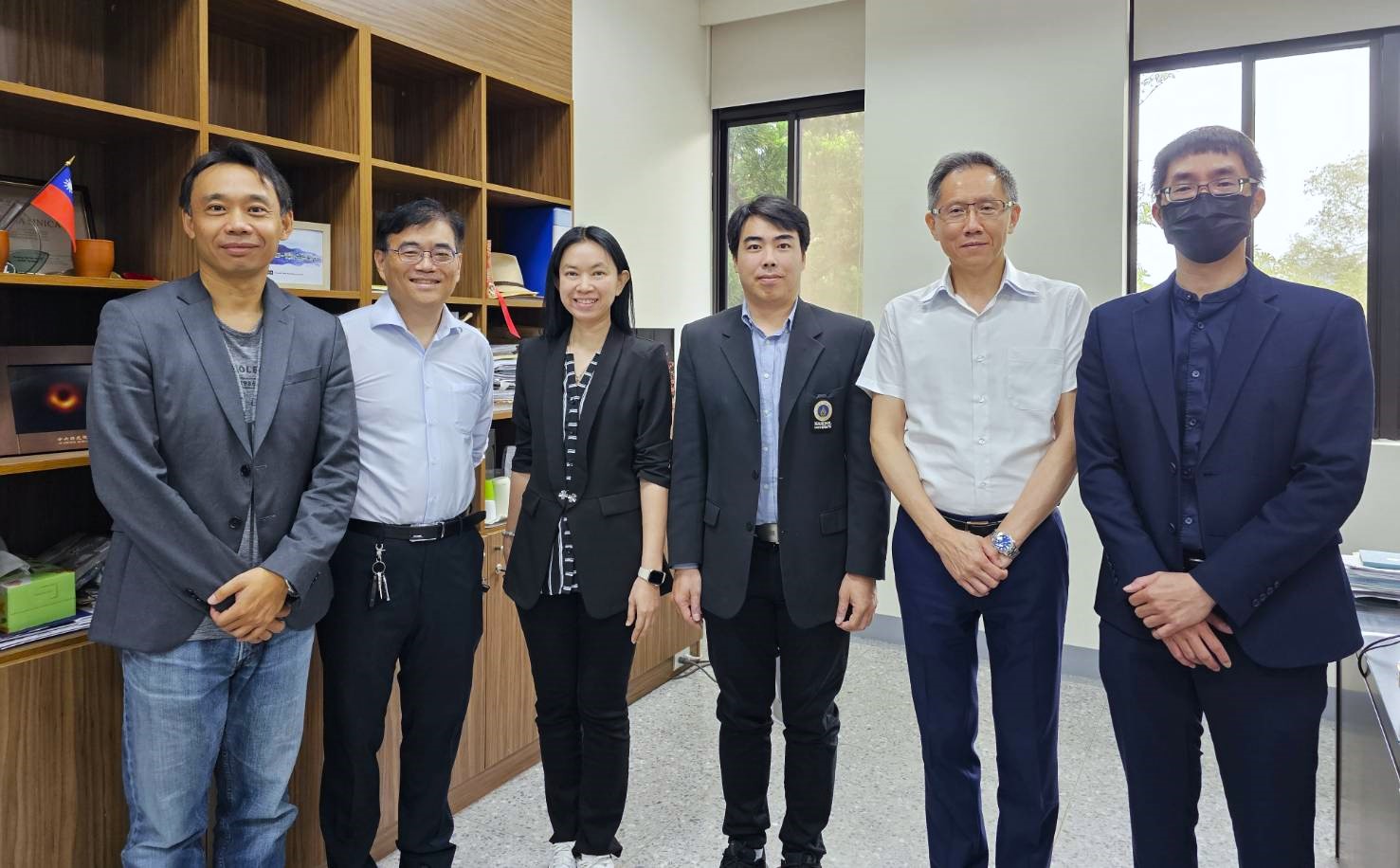
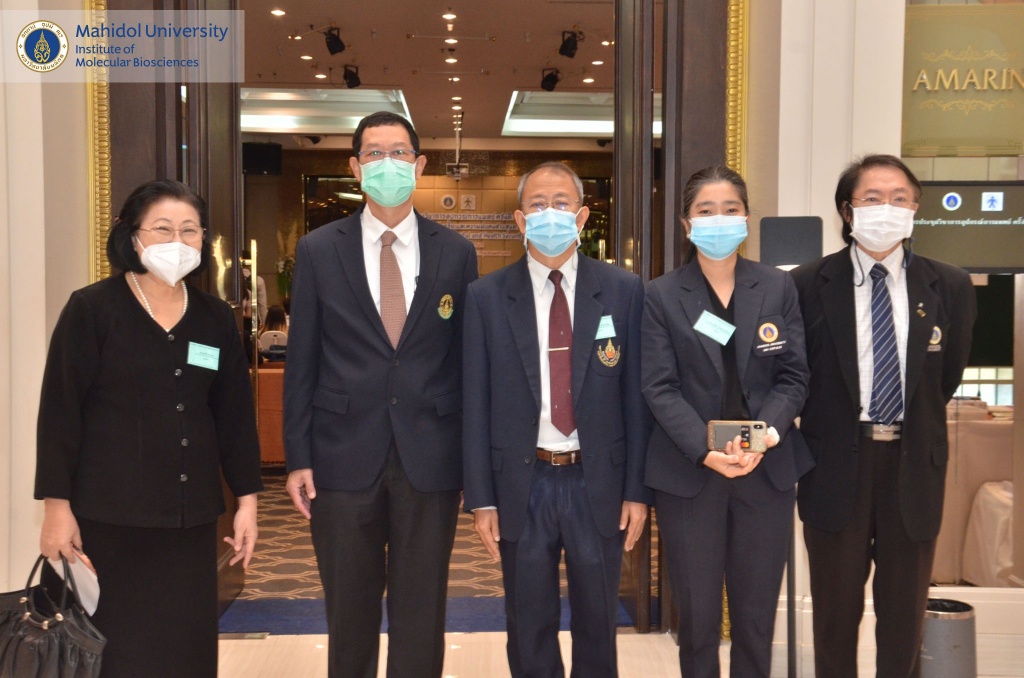
Institute of Molecular Biosciences, Mahidol University in collaboration with the Protein Society of Thailand (PST), is organizing a Mini-Symposium on AI-Driven Drug Discovery: The Future of Medicine on November 2, 2023, at the Prince Mahidol Conference Center, Mahidol University (Salaya Campus)
This event was honored to have Professor Dr. Pattarachai Kiratisin, Vice President for Research, Mahidol University give the opening remarks and extend a warm welcome to the esteemed panel of speakers who generously shared their knowledge and experiences in the field of Drug Design. The lineup of speakers includes:
• Professor Sir Tom Blundell from the University of Cambridge (Keynote Speaker)• Professor Ruben Abagyan from the University of California San Diego
• Dr. Jiye Shi from Eli Lilly and Company
• Dr. Arun Prasad Pandurangan from the University of Cambridge
• Assistant Professor Duangrudee Tanramluk from the Institute of Molecular Biosciences
This event has attracted interest from students, faculty, government agencies, as well as private sector organizations, with a total attendance of up to 150 participants.
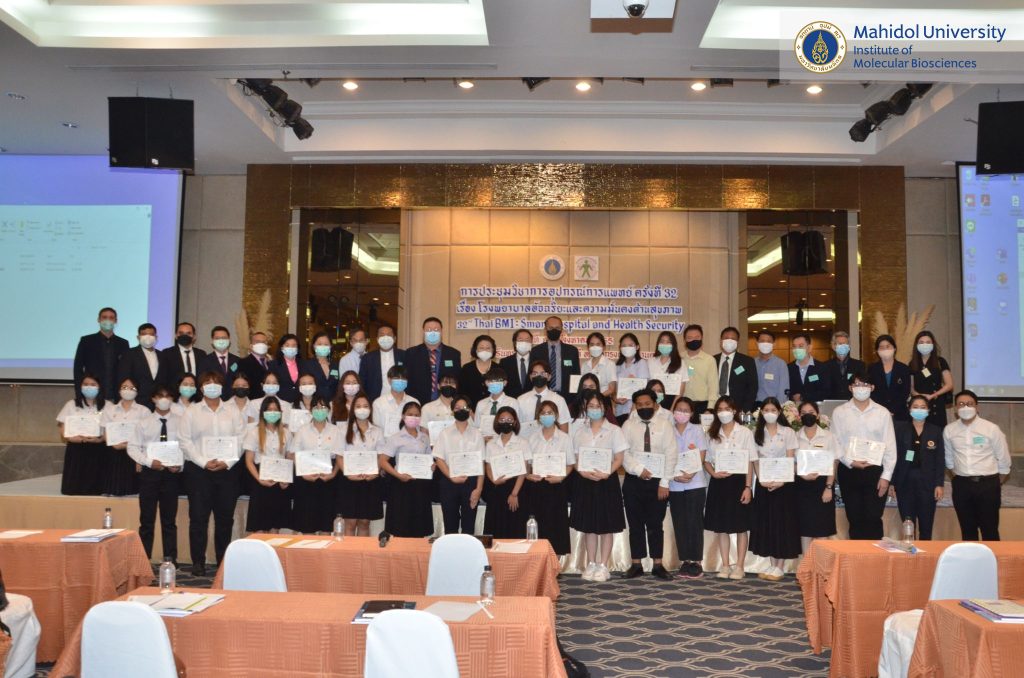
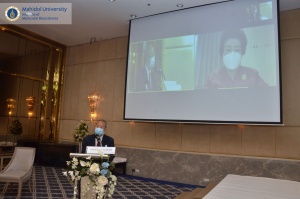
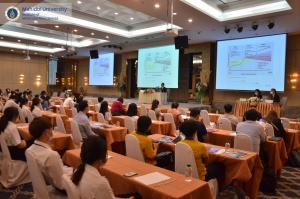
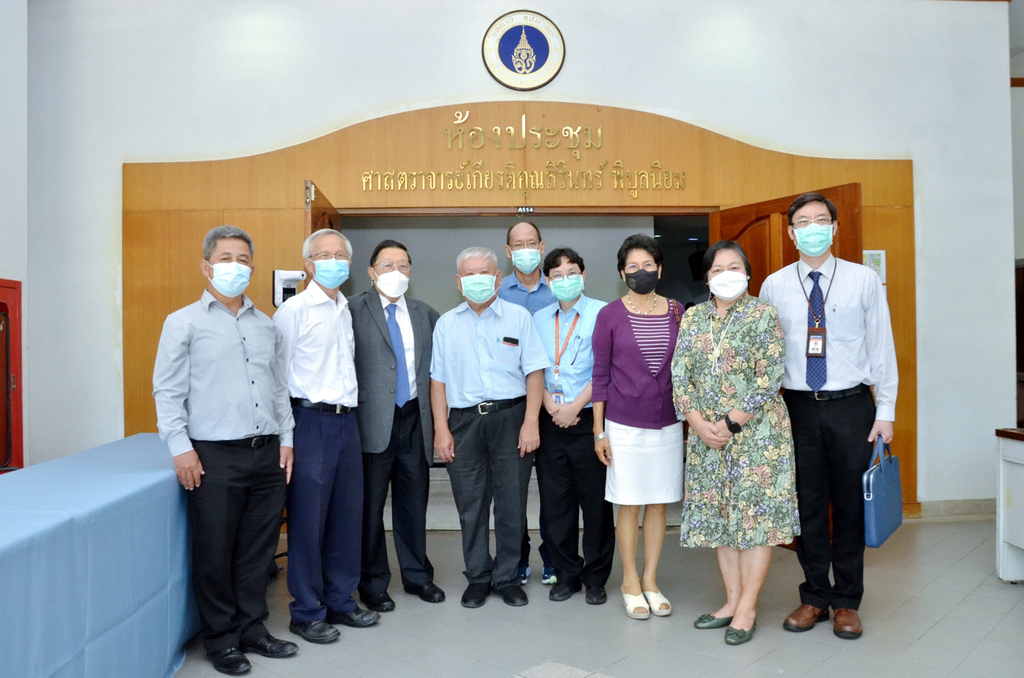
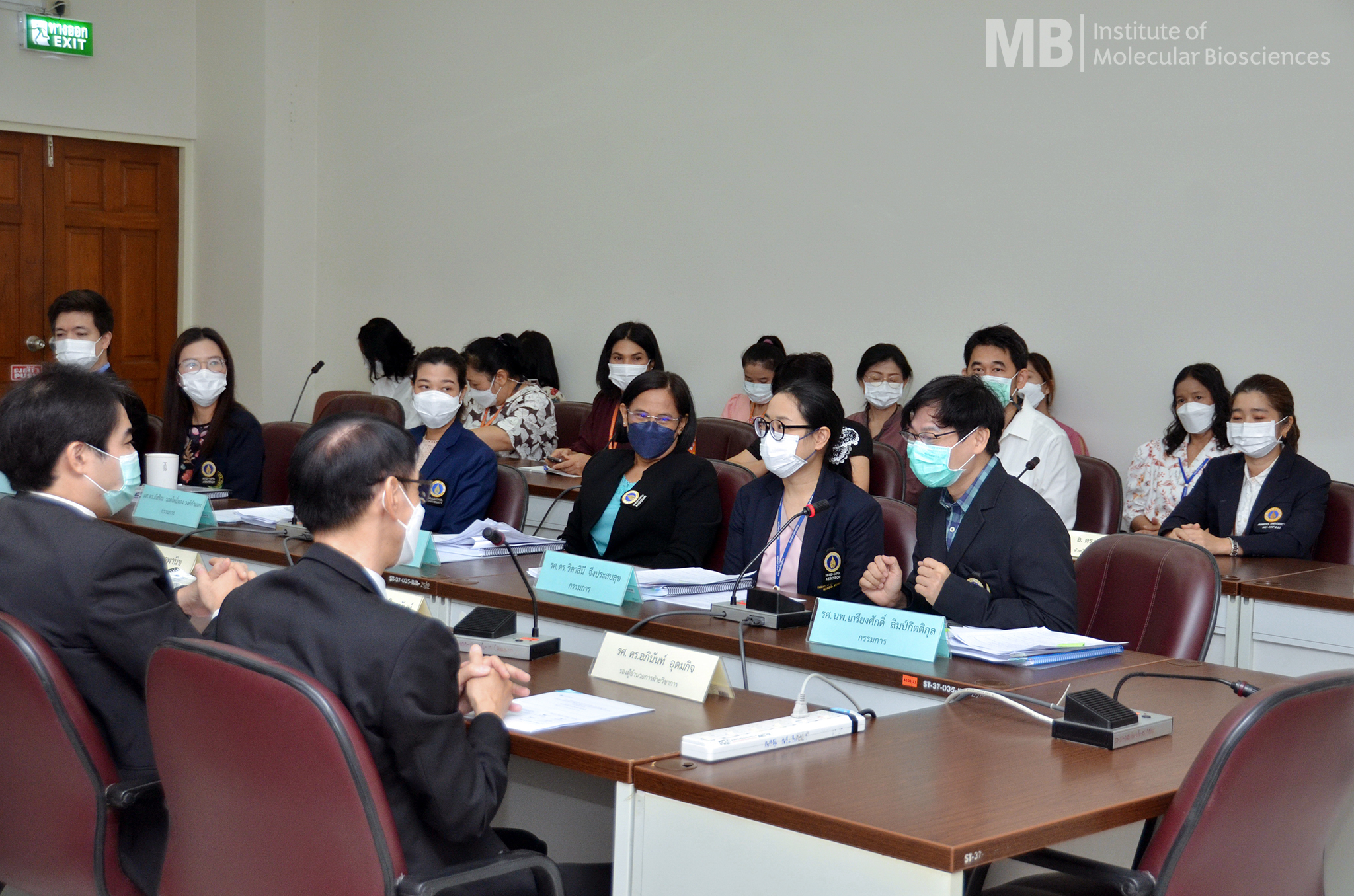
การประชุมระดมสมองทางวิชาการ เรื่อง “Strengthen Thalassemia Research”
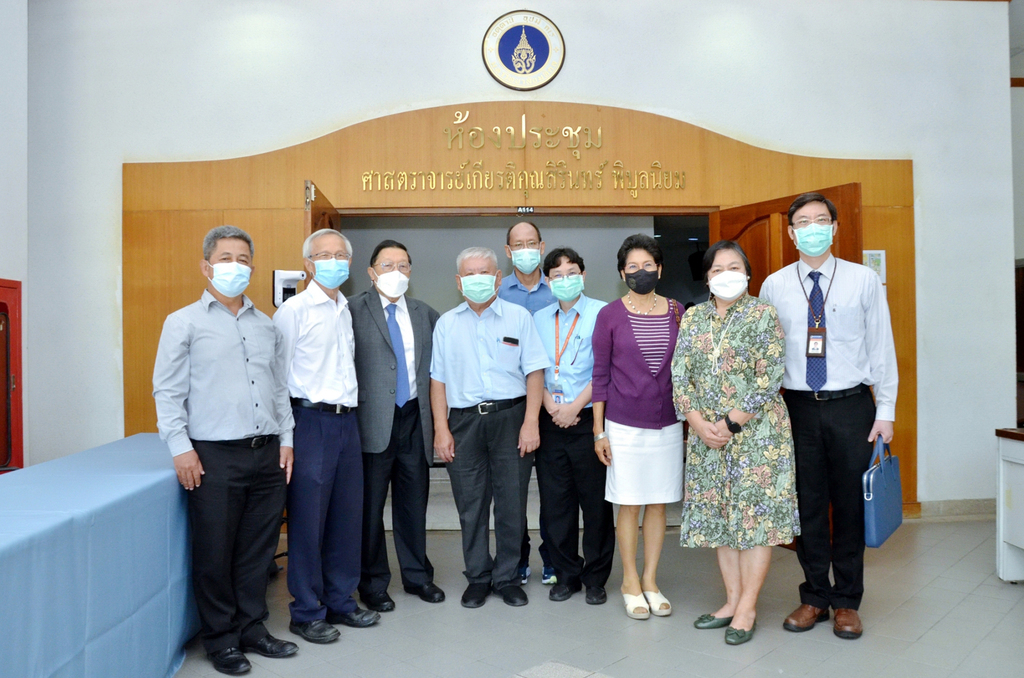
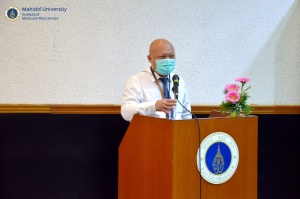
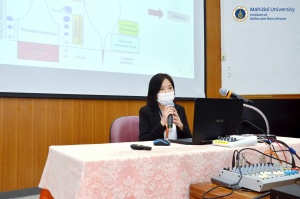
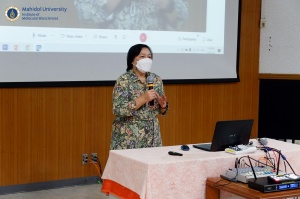
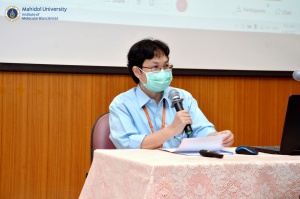
28 มิถุนายน 2565 เวลา 9.00 – 15.30 น. ศูนย์วิจัยธาลัสซีเมีย สถาบันชีววิทยาศาสตร์โมเลกุล จัดการประชุมระดมสมองทางวิชาการ เรื่อง “Strengthen Thalassemia Research” ณ ห้องประชุมศาสตราจารย์เกียรติคุณสิรินทร์ พิบูลนิยม สถาบันชีววิทยาศาสตร์โมเลกุล และผ่านระบบออนไลน์ Cisco Webex โดยมีผู้ทรงคุณวุฒิ คณาจารย์ นักวิจัย และนักศึกษาร่วมระดมสมองและแลกเปลี่ยนประสบการณ์ในครั้งนี้ทั้งสิ้น 60 ราย
การประชุมระดมสมองทางวิชาการในครั้งนี้เป็นโอกาสอันดีในการรวมกลุ่มผู้นำการวิจัยด้านธาลัสซีเมียที่มีความชำนาญในศาสตร์สาขาต่าง ๆ มาร่วมกันส่งเสริมจุดเด่นและโอกาสในการสร้างสรรค์งานวิจัย บริหารมุมมองในทุกมิติของงานวิจัย ซึ่งนับเป็นจุดเด่นของงานวิจัยธาลัสซีเมียในมหาวิทยาลัยมหิดล คือ การบูรณาการข้ามศาสตร์ สาขา และคณะ เกิดเครือข่ายการพัฒนางานวิจัย รวมทั้งศักยภาพของนักวิจัยด้านธาลัสซีเมียให้เข้มแข็งต่อไป
การประชุมระดมสมองทางวิชาการ เรื่อง “Strengthen Thalassemia Research”
28 มิถุนายน 2565 เวลา 9.00 – 15.30 น. ศูนย์วิจัยธาลัสซีเมีย สถาบันชีววิทยาศาสตร์โมเลกุล จัดการประชุมระดมสมองทางวิชาการ เรื่อง “Strengthen Thalassemia Research” ณ ห้องประชุมศาสตราจารย์เกียรติคุณสิรินทร์ พิบูลนิยม สถาบันชีววิทยาศาสตร์โมเลกุล และผ่านระบบออนไลน์ Cisco Webex โดยมีผู้ทรงคุณวุฒิ คณาจารย์ นักวิจัย และนักศึกษาร่วมระดมสมองและแลกเปลี่ยนประสบการณ์ในครั้งนี้ทั้งสิ้น 60 ราย
การประชุมระดมสมองทางวิชาการในครั้งนี้เป็นโอกาสอันดีในการรวมกลุ่มผู้นำการวิจัยด้านธาลัสซีเมียที่มีความชำนาญในศาสตร์สาขาต่าง ๆ มาร่วมกันส่งเสริมจุดเด่นและโอกาสในการสร้างสรรค์งานวิจัย บริหารมุมมองในทุกมิติของงานวิจัย ซึ่งนับเป็นจุดเด่นของงานวิจัยธาลัสซีเมียในมหาวิทยาลัยมหิดล คือ การบูรณาการข้ามศาสตร์ สาขา และคณะ เกิดเครือข่ายการพัฒนางานวิจัย รวมทั้งศักยภาพของนักวิจัยด้านธาลัสซีเมียให้เข้มแข็งต่อไป
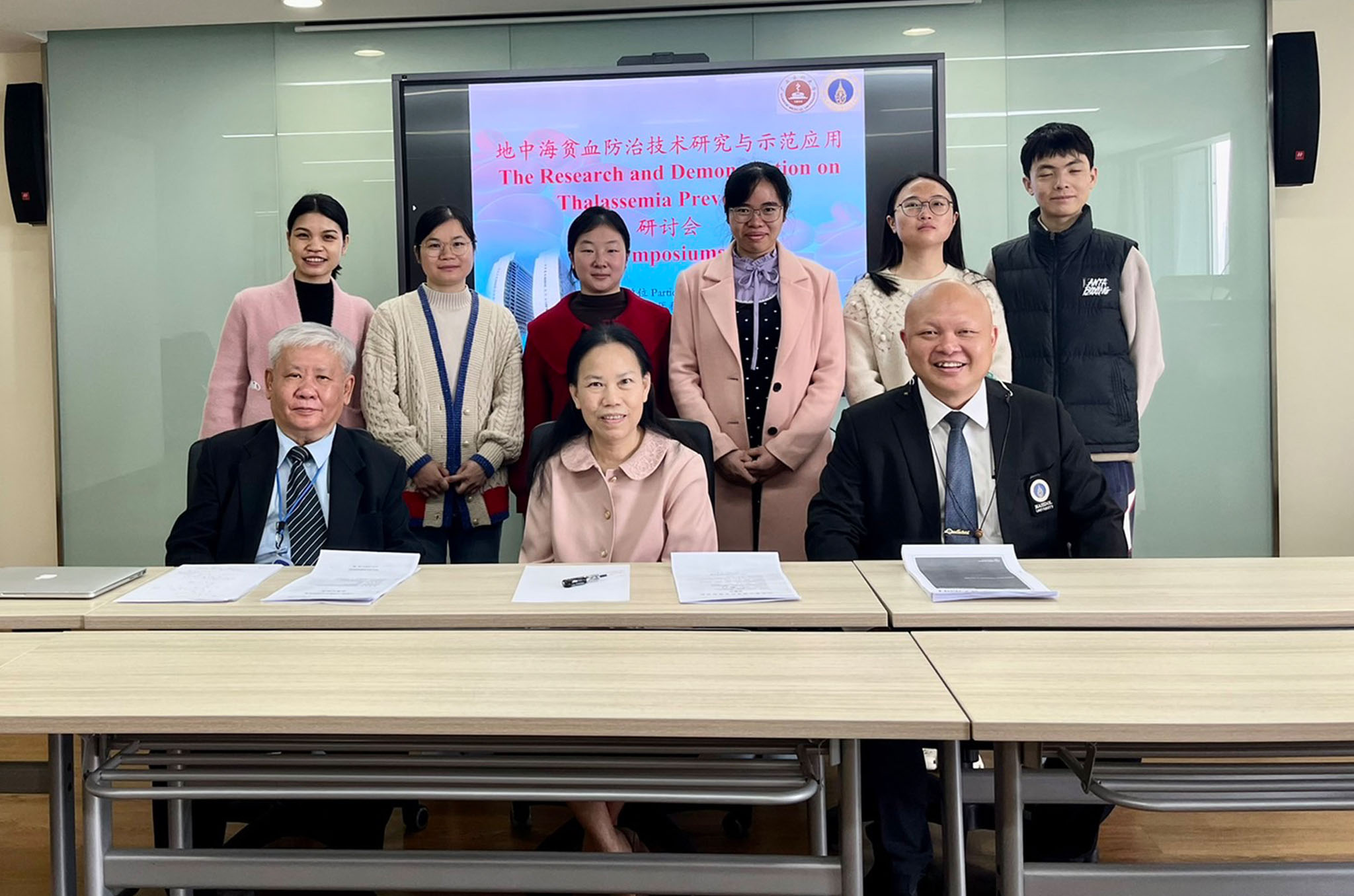
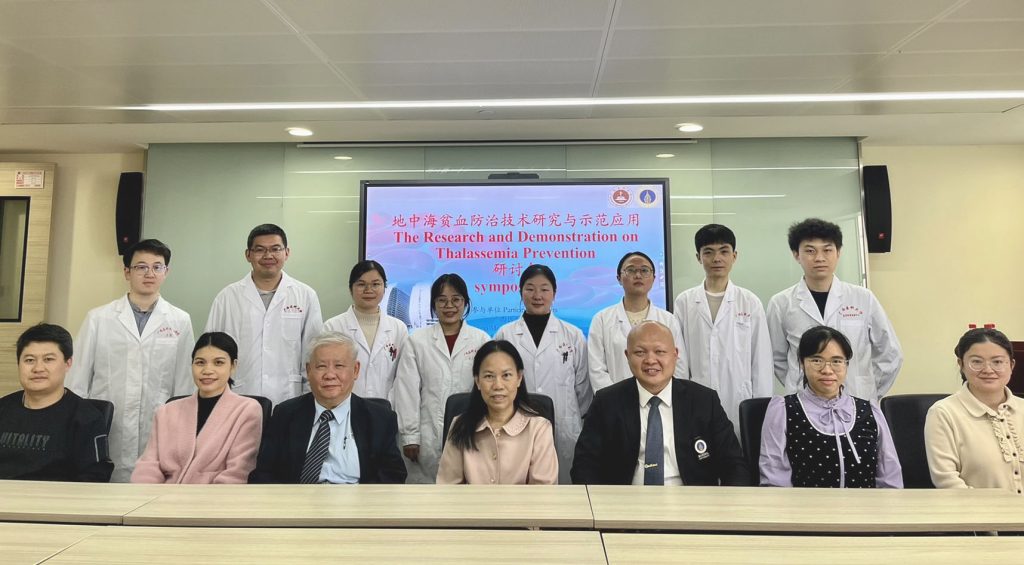
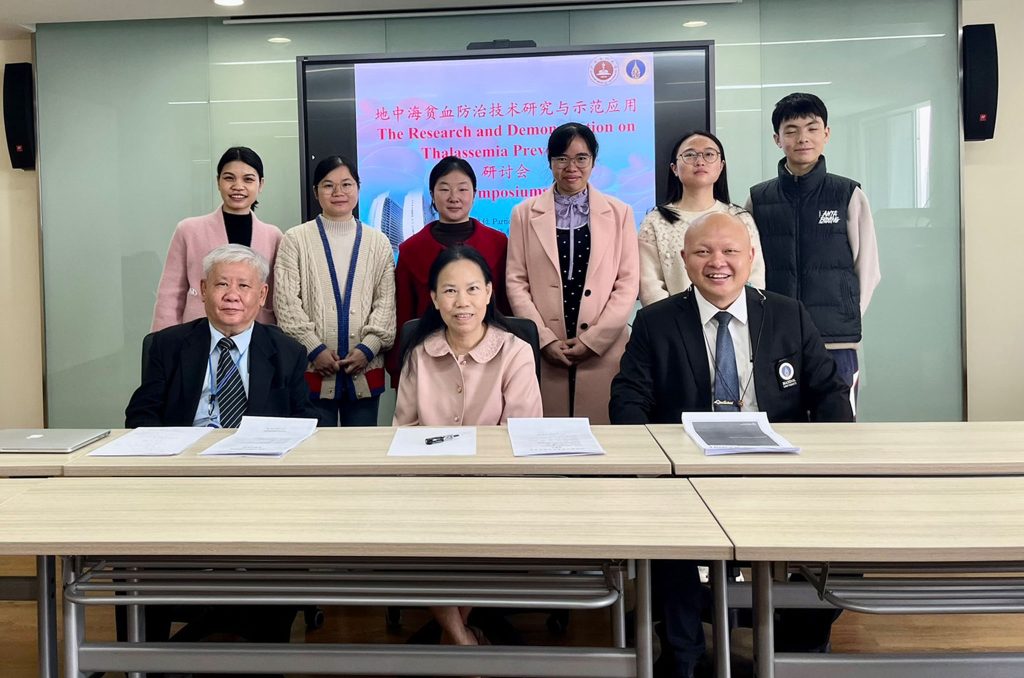
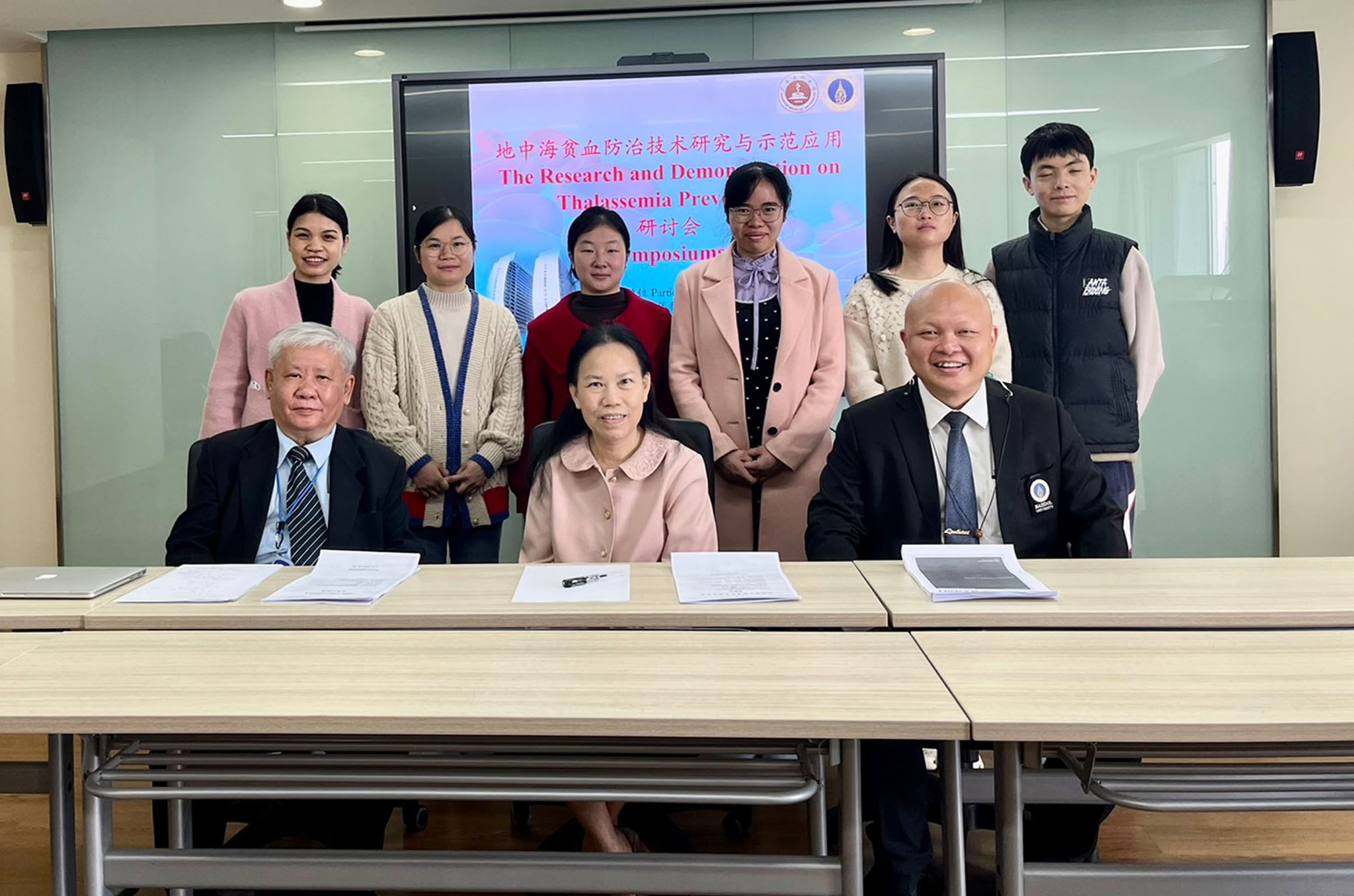
โครงการ “The Research and Demonstration on Thalassemia Prevention”
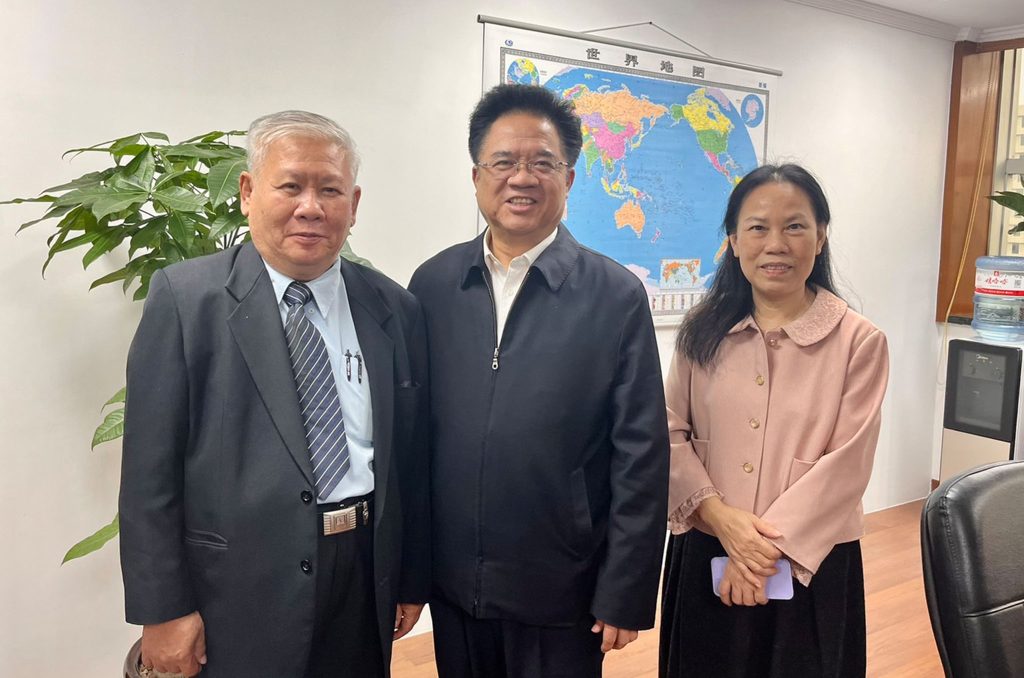
ศูนย์วิจัยธาลัสซีเมีย สถาบันชีววิทยาศาสตร์โมเลกุล มหาวิทยาลัยมหิดล นำโดย ศาสตราจารย์เกียรติคุณ นายแพทย์ สุทัศน์ ฟู่เจริญ และ อ. ดร. นายแพทย์ กิตติพงศ์ ไพบูลย์สุขวงศ์ ได้รับเชิญจากทาง Prof. Ping Chen รองผู้อำนวยการ Thalassemia Research Institute, Guangxi Medical University เพื่อร่วมหารือความร่วมมือในโครงการ “The Research and Demonstration on Thalassemia Prevention” ซึ่งเป็นโครงการที่ได้รับการสนับสนุนจาก Ministry of Science and Technology of The People’s Republic of China ระหว่างวันที่ 1-3 มีนาคม 2566
วัตถุประสงค์ของโครงการนี้เพื่อศึกษาวิจัยแนวทางใหม่ ๆ ในการตรวจวินิจฉัยโรคธาลัสซีเมียให้เหมาะสมกับบริบทของแต่ละประเทศในภูมิภาคเอเชีย และทำการถ่ายทอดเทคโนโลยีเพื่อให้เกิดประโยชน์ในด้านควบคุมและป้องกันโรคธาลัสซีเมียของแต่ละประเทศต่อไป ในโอกาสนี้ ยังได้เข้าพบ Prof. Zeng Zhiyu อธิการบดีของ Guangxi Medical University เพื่อรายงานความก้าวหน้าของความร่วมมือและขอรับการสนับสนุนจากทางมหาวิทยาลัยเพื่อความยั่งยืนของโครงการต่อไป