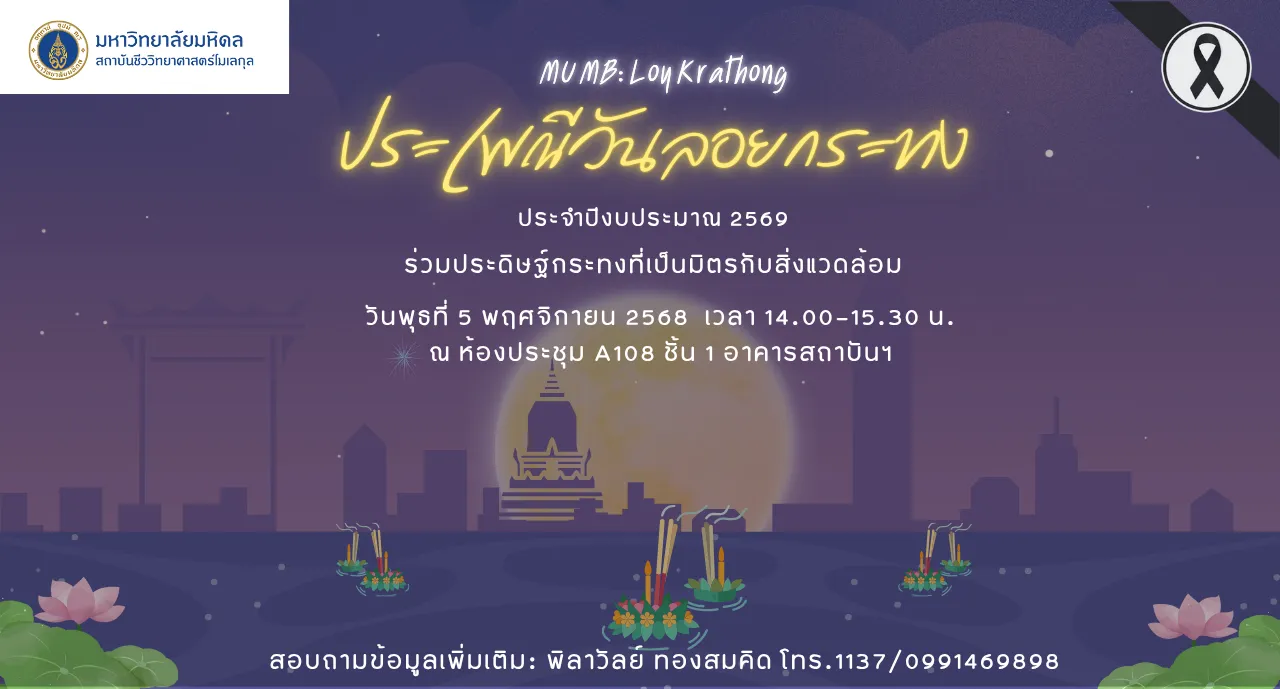
สถาบันชีววิทยาศาสตร์โมเลกุล มหาวิทยาลัยมหิดล ขอเชิญชาว MB เข้าร่วมกิจกรรม MU MB: Loy Krathong “ประเพณีวันลอยกระทง”ประจำปีงบประมาณ 2569 ร่วมประดิษฐ์กระทงที่เป็นมิตรกับสิ่งแวดล้อม
📞 ติดต่อสอบถาม
พิลาวัลย์ ทองสมคิด โทร.1137/0991469898

สถาบันชีววิทยาศาสตร์โมเลกุล มหาวิทยาลัยมหิดล ขอเชิญชาว MB เข้าร่วมกิจกรรม MU MB: Loy Krathong “ประเพณีวันลอยกระทง”ประจำปีงบประมาณ 2569 ร่วมประดิษฐ์กระทงที่เป็นมิตรกับสิ่งแวดล้อม
พิลาวัลย์ ทองสมคิด โทร.1137/0991469898

สถาบันชีววิทยาศาสตร์โมเลกุล มหาวิทยาลัยมหิดล ขอเชิญนักเรียน นักศึกษา และผู้ที่สนใจเข้าร่วมกิจกรรม: “เข้าใจสมองเด็ก ADHD: เขาไม่ได้ดื้อ…แค่ต้องการคนเข้าใจ”
เข้าใจ “โรคสมาธิสั้น” ให้มากกว่าที่เคยรู้ ผลกระทบระยะยาว หากไม่ได้รับการดูแล สร้างความตระหนักรู้และความเข้าใจกับคนในครอบครัว อย่ารอให้สายเกินไป
กิจกรรมเนื่องในเดือนแห่งการตระหนักรู้เรื่อง ADHD จัดโดย ศูนย์วิจัยประสาทวิทยาศาสตร์ สถาบันชีววิทยาศาสตร์โมเลกุล


นายประพันธ์ เปรมสวัสดิ์
นักวิชาการศึกษา งานวิจัยและพัฒนานวัตกรรม
โทร: +66 (0) 2441-9003 – 7 Ext. 1331
อีเมล: prapan.pre@mahidol.ac.th
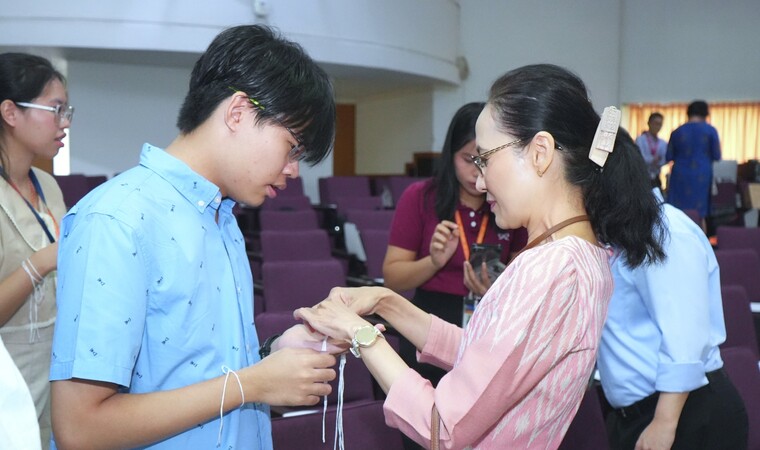
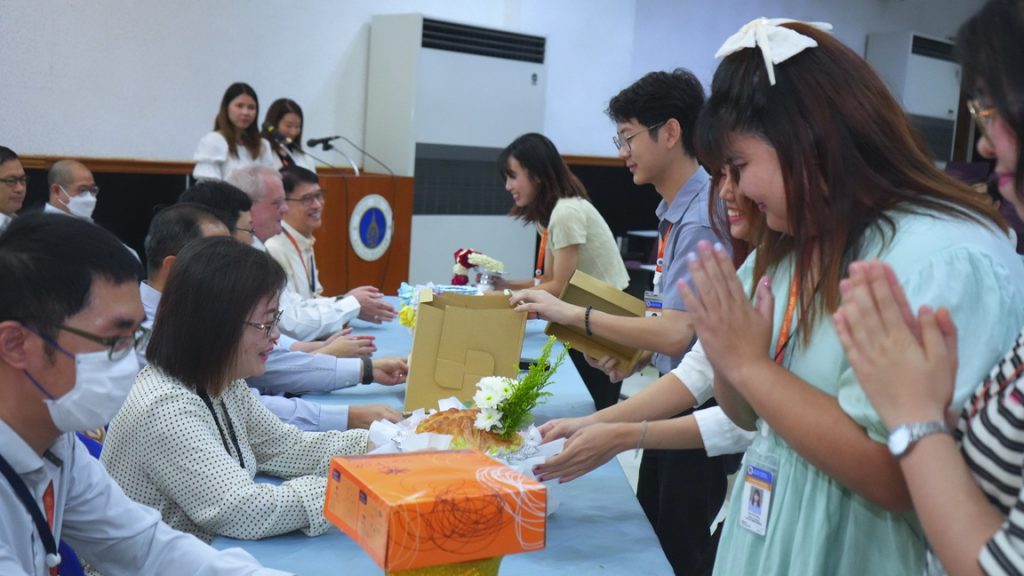
พิธีไหว้ครู ประจำปี 2568
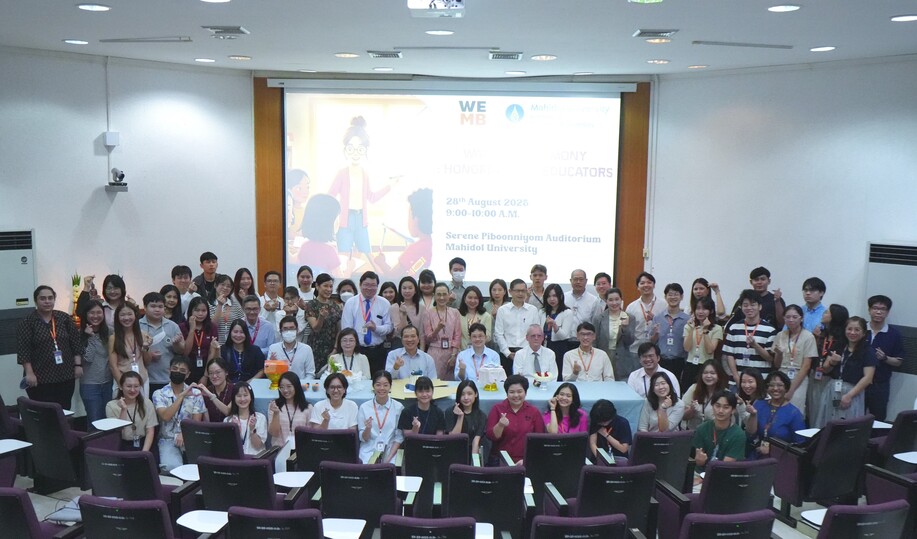
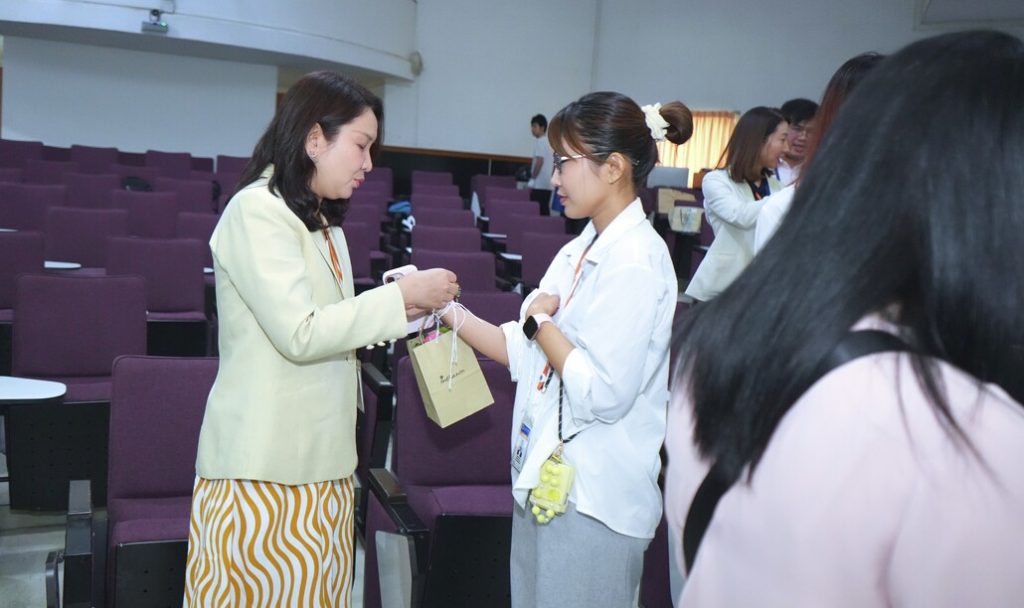
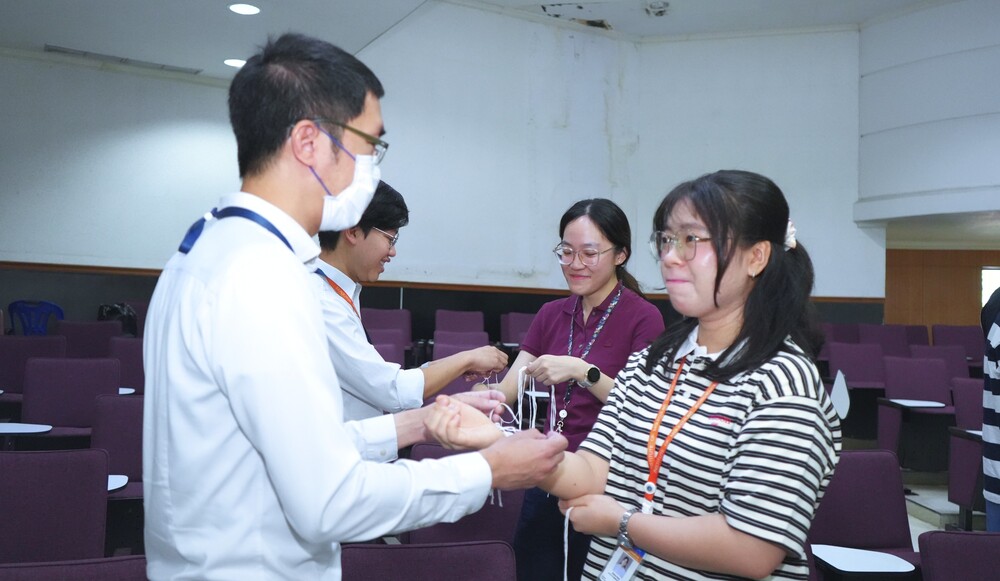
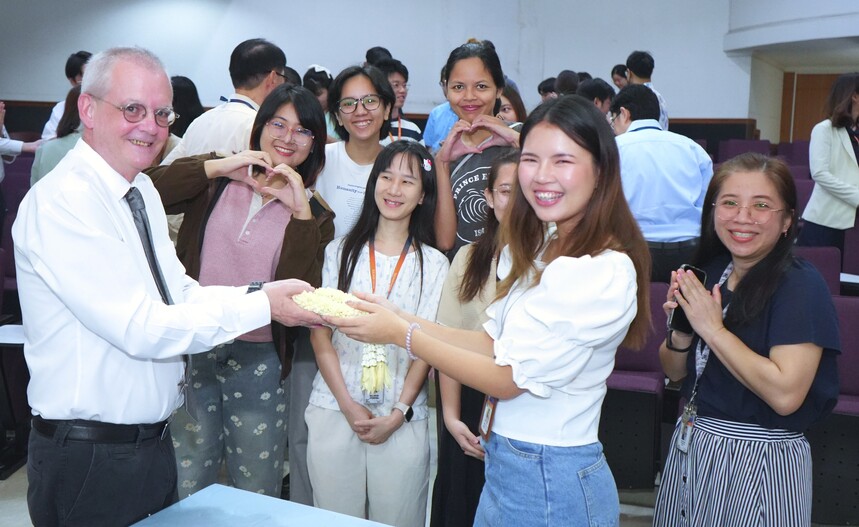
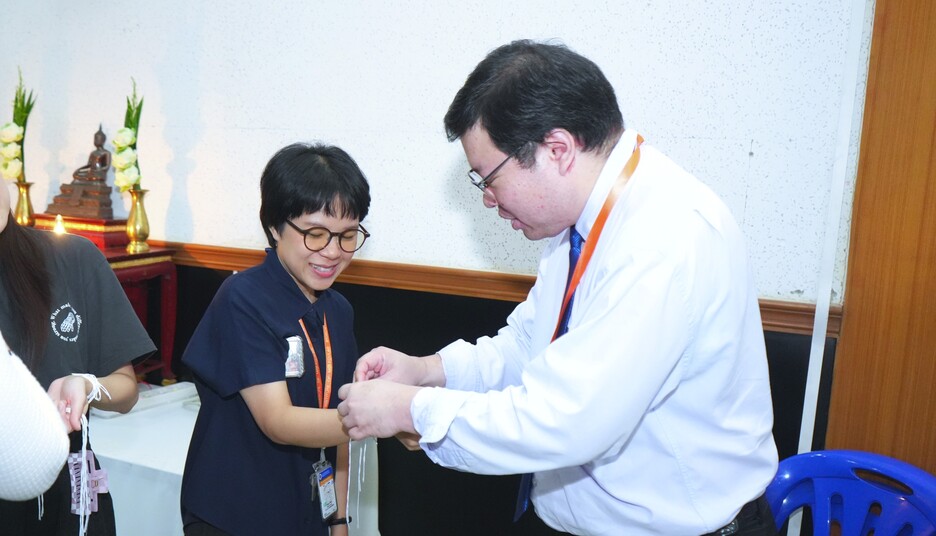
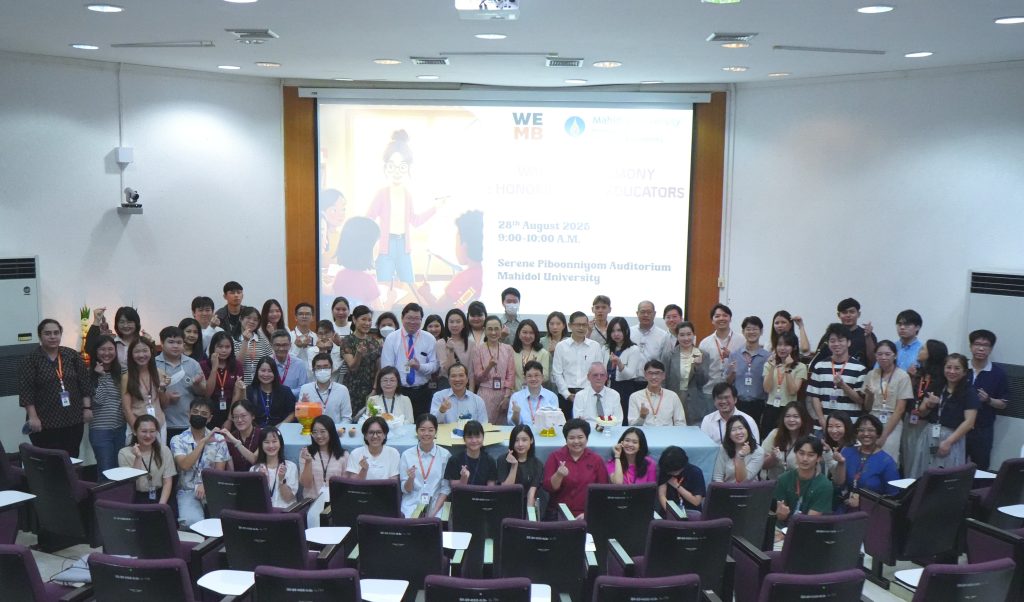
28 สิงหาคม 2568 คณะกรรมการดำเนินงานกิจการนักศึกษา ร่วมกับ นักศึกษาหลักสูตรบัณฑิตศึกษา สถาบันชีววิทยาศาสตร์โมเลกุล มหาวิทยาลัยมหิดล จัดพิธีไหว้ครู ประจำปี 2568 เพื่อสืบสานประเพณีอันงดงามของไทยและแสดงความกตัญญูกตเวทีต่อคณาจารย์ผู้ประสิทธิ์วิชา ณ ห้องประชุมศาสตราจารย์เกียรติคุณสิรินทร์ พิบูลนิยม
.
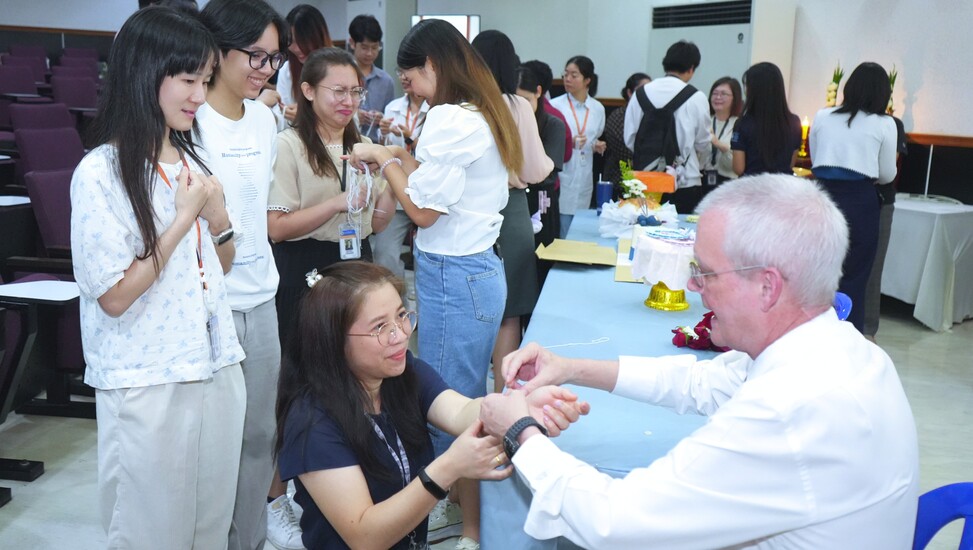
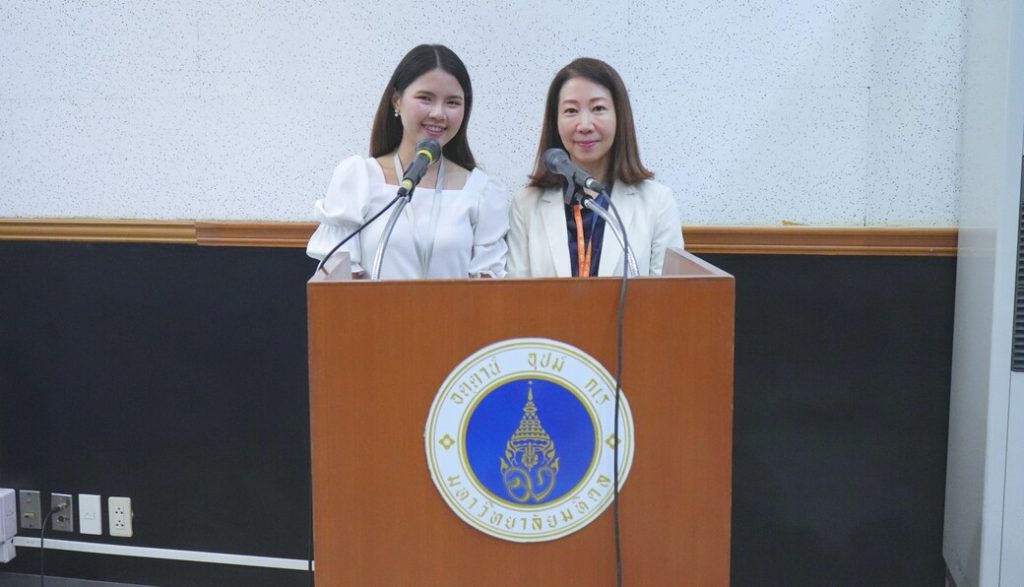
พิธีในครั้งนี้ได้รับเกียรติจาก รองศาสตราจารย์ ดร. ม.ล.เสาวรส สวัสดิวัฒน์ ผู้อำนวยการสถาบันฯ เป็นประธานในพิธี ร่วมด้วยผู้บริหาร คณาจารย์ และนักศึกษา ภายในงานมีการกล่าวคำไหว้ครูโดยตัวแทนนักศึกษา การมอบพานไหว้ครูและพวงมาลัยแด่อาจารย์ผู้เป็นดั่งแสงสว่างทางปัญญา โอกาสนี้ คณาจารย์ร่วมกันผูกข้อมือและให้พรแก่นักศึกษา บรรยากาศเป็นไปอย่างอบอุ่นและเปี่ยมด้วยความหมาย


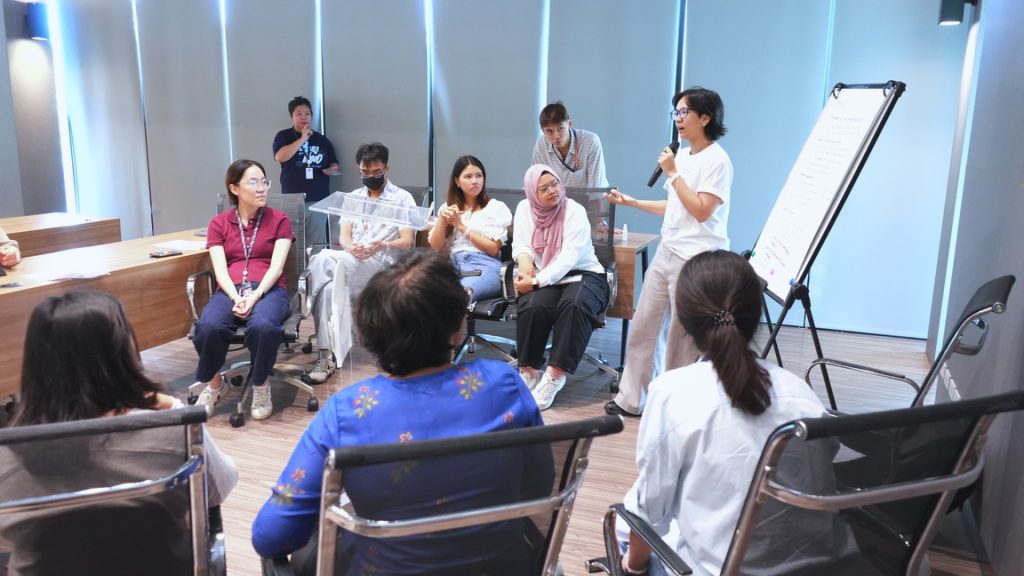
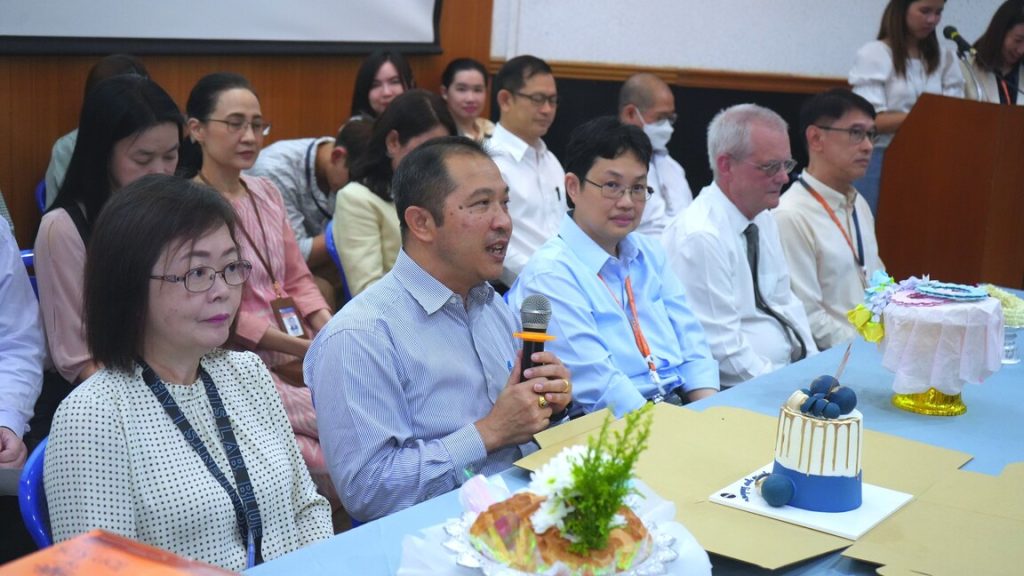
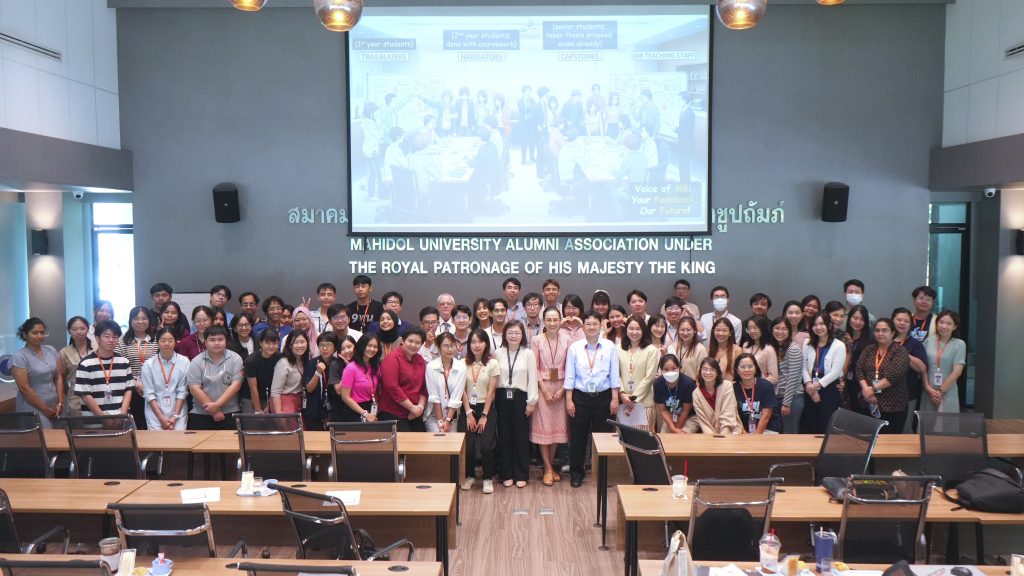
สถาบันชีววิทยาศาสตร์โมเลกุล ม.มหิดล จัดกิจกรรม “Meet Eat & Share” เปิดเวทีแลกเปลี่ยนความคิดเห็นนักศึกษา–อาจารย์–ผู้บริหาร พร้อมรุ่นพี่ศิษย์เก่าร่วมแบ่งปันประสบการณ์
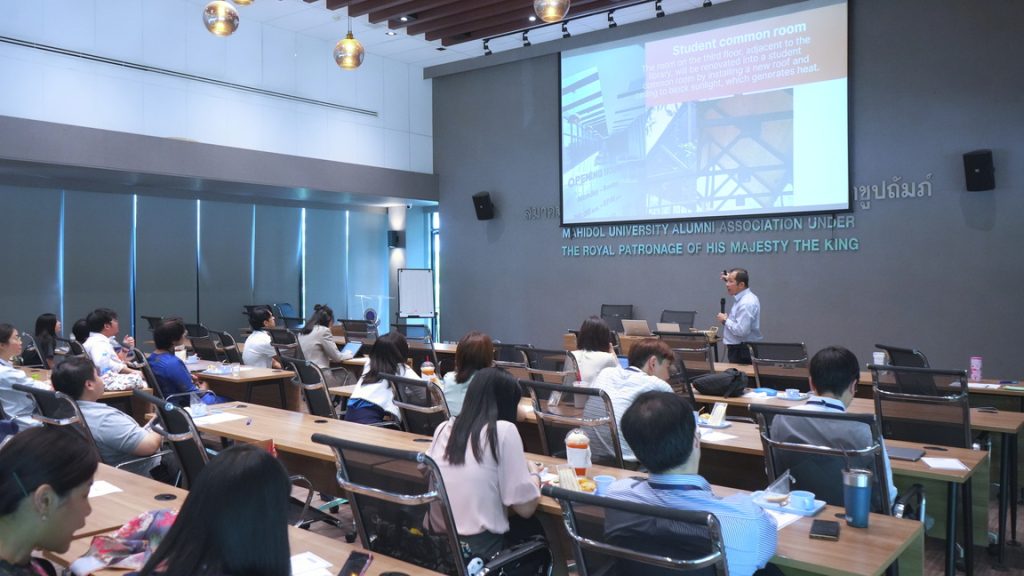
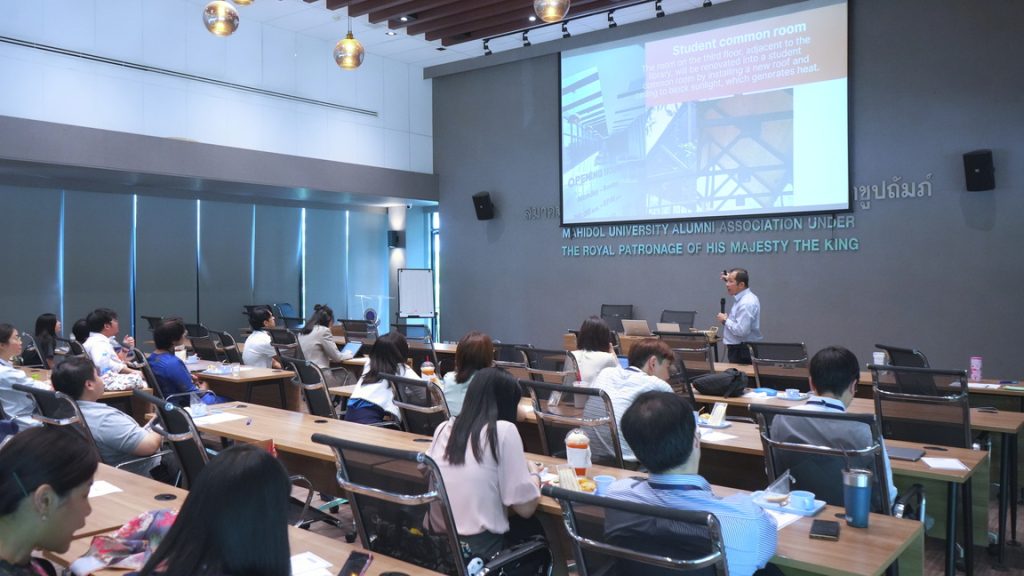
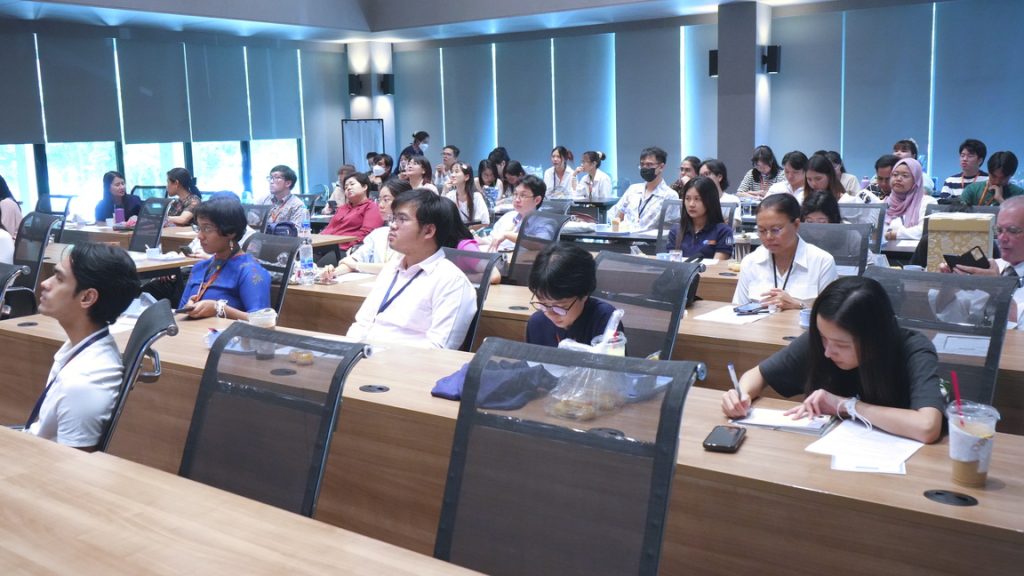
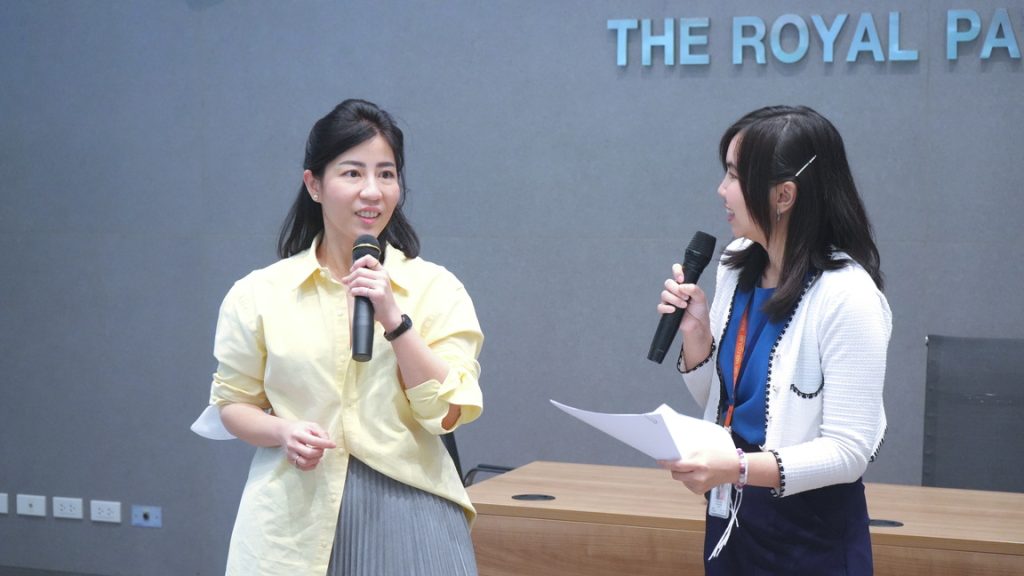
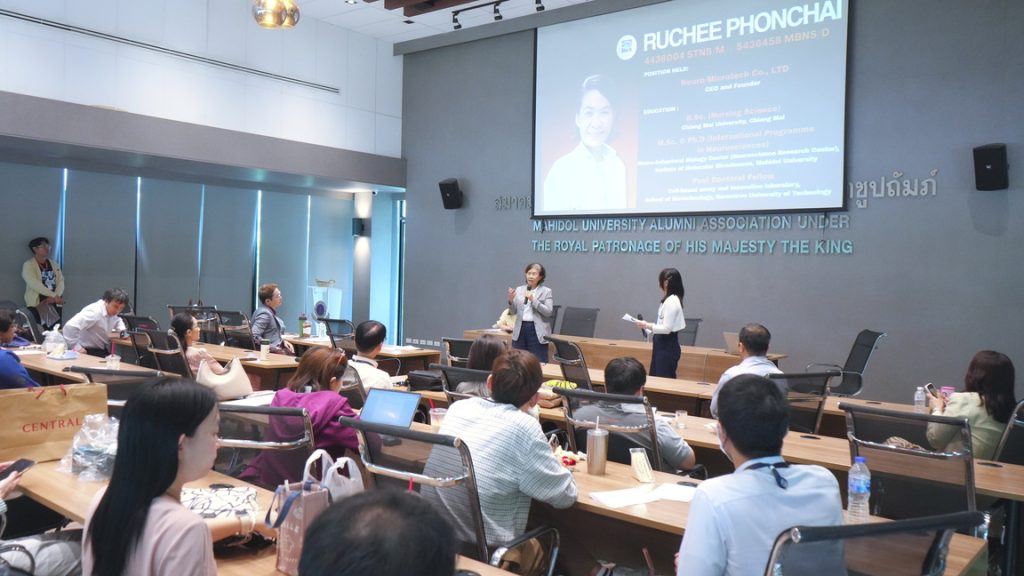
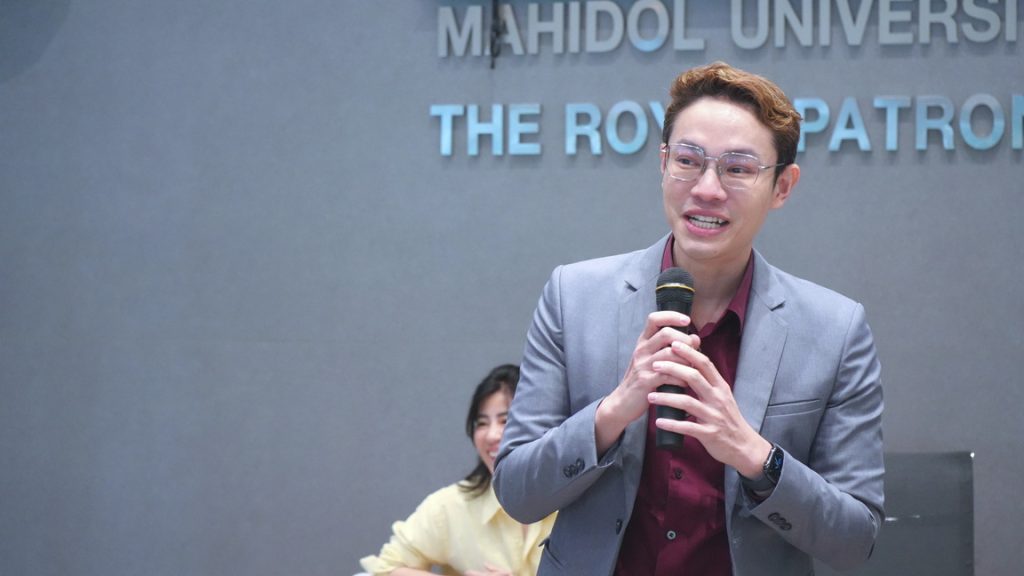
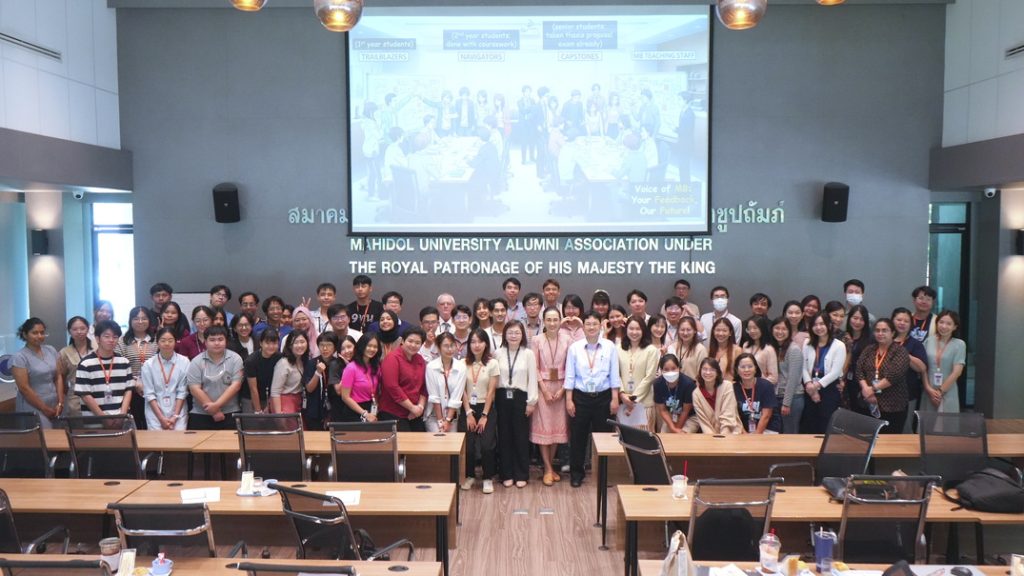
28 สิงหาคม 2568 สถาบันชีววิทยาศาสตร์โมเลกุล มหาวิทยาลัยมหิดล จัดกิจกรรม Meet Eat & Share ณ ห้องประชุมชั้น 2 อาคารสิริวัฒนภักดี สมาคมศิษย์เก่ามหาวิทยาลัยมหิดล ในพระบรมราชูปถัมภ์ โดยมีผู้บริหาร คณาจารย์ และนักศึกษาเข้าร่วมอย่างอบอุ่น
กิจกรรมดังกล่าวจัดขึ้นเพื่อเป็นเวทีเปิดกว้างให้นักศึกษาได้พบปะพูดคุยกับอาจารย์ประจำหลักสูตรและผู้บริหาร พร้อมร่วมกันเสนอความคิดเห็นในการพัฒนาหลักสูตรและสิ่งอำนวยความสะดวกให้ตอบโจทย์ความต้องการของนักศึกษามากยิ่งขึ้น ผ่านบรรยากาศที่เป็นกันเองและสร้างสรรค์
นอกจากนี้ ภายในงานยังได้รับเกียรติจากศิษย์เก่าที่ประสบความสำเร็จในสายอาชีพ มาร่วมแบ่งปันมุมมองและแรงบันดาลใจ ได้แก่
ดร.เกษร เตียวศิริ ผู้จัดการห้องปฏิบัติการพันธุศาสตร์ Superior A.R.T. Thailand (ศิษย์เก่าหลักสูตรปรัชญาดุษฎีบัณฑิต สาขาวิชาพันธุศาสตร์ระดับโมเลกุลและพันธุวิศวกรรมศาสตร์)
ดร.ธวิน เอี่ยมปรีดี CEO and CTO บริษัท โครโนไลฟ์ จำกัด และนักวิจัยศูนย์นาโนเทคโนโลยีแห่งชาติ (NANOTEC) สวทช. (ศิษย์เก่าหลักสูตรวิทยาศาสตรมหาบัณฑิต สาขาวิชาพันธุศาสตร์ระดับโมเลกุลและพันธุวิศวกรรมศาสตร์)
ดร.รุจี พรชัย CEO and Founder บริษัท นิวโร-ไมโครเทค จำกัด นักวิทยาศาสตร์ผู้เชี่ยวชาญด้านประสาทวิทยาศาสตร์และสเต็มเซลล์ (ศิษย์เก่าหลักสูตรวิทยาศาสตรมหาบัณฑิต และปรัชญาดุษฎีบัณฑิต สาขาวิชาประสาทวิทยาศาสตร์)
การแลกเปลี่ยนประสบการณ์ครั้งนี้ไม่เพียงสร้างแรงบันดาลใจให้กับนักศึกษา แต่ยังสะท้อนถึงความร่วมมือระหว่างรุ่นพี่และรุ่นน้องที่ช่วยผลักดันการพัฒนาหลักสูตรและบรรยากาศการเรียนรู้ของสถาบันฯ ให้ก้าวหน้าอย่างต่อเนื่อง


สอบถามรายละเอียดเพิ่มเติม:
Pre-register online within 27 October 2025For more information please contact : Mrs. Nuttiya Dechprom
Research Management Office
Institute of Molecular Biosciences, Mahidol University
Tel. 02-441-9003 ext. 1218
Email: nuttiya.dec@mahidol.ac.th
สอบถามรายละเอียดเพิ่มเติม:
ณัฏฐณิชย์ ศรีมาเสริม โทร. 0 2441 9003-7 ต่อ 1414 อีเมล natthanit.sri@mahidol.ac.th
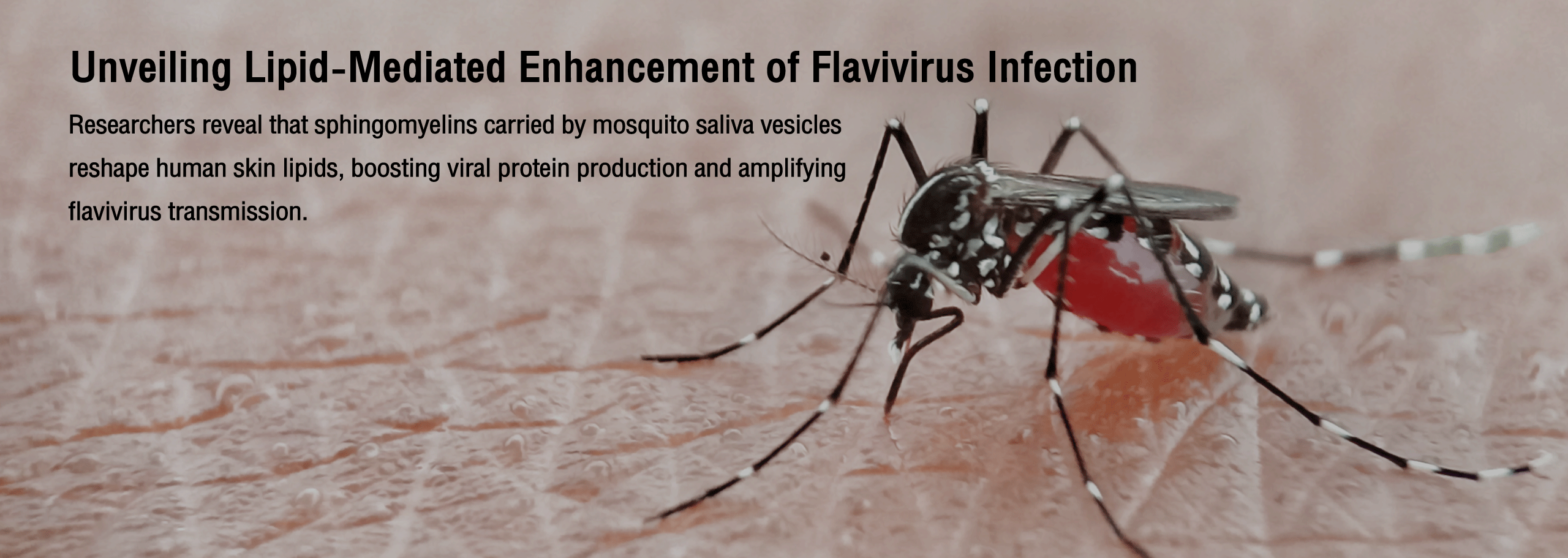
Sphingomyelins in mosquito saliva reconfigure skin lipidome to promote viral protein levels and enhance transmission of flaviviruses
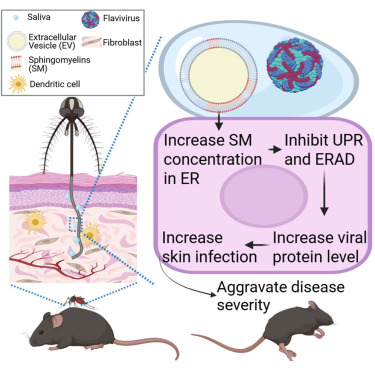
Many flaviviruses with high pandemic potential are transmitted through mosquito bites. While mosquito saliva is essential for transmission and represents a promising pan-flaviviral target, there is a dearth of knowledge on salivary metabolic transmission enhancers. Here, we show that extracellular vesicle (EV)-derived sphingomyelins in mosquito saliva reconfigure the human cell lipidome to increase viral protein levels, boosting skin infection and enhancing transmission for flaviviruses.

Lipids within internalized mosquito EVs enhance infection in fibroblast and immune human primary cells for multiple flaviviruses. Mosquito EV lipids selectively increase viral translation by inhibiting infection-induced endoplasmic reticulum (ER)-associated degradation of viral proteins. Infection enhancement solely results from the sphingomyelins within salivary mosquito EVs that augment human cell sphingomyelin concentration. Finally, EV-lipid co-inoculation exacerbates disease severity in vivo in mouse transmission assays. By discovering and elucidating how metabolic components of mosquito saliva promote transmission of flaviviruses, our study unveils lipids as a new category of targets against vectored transmission.

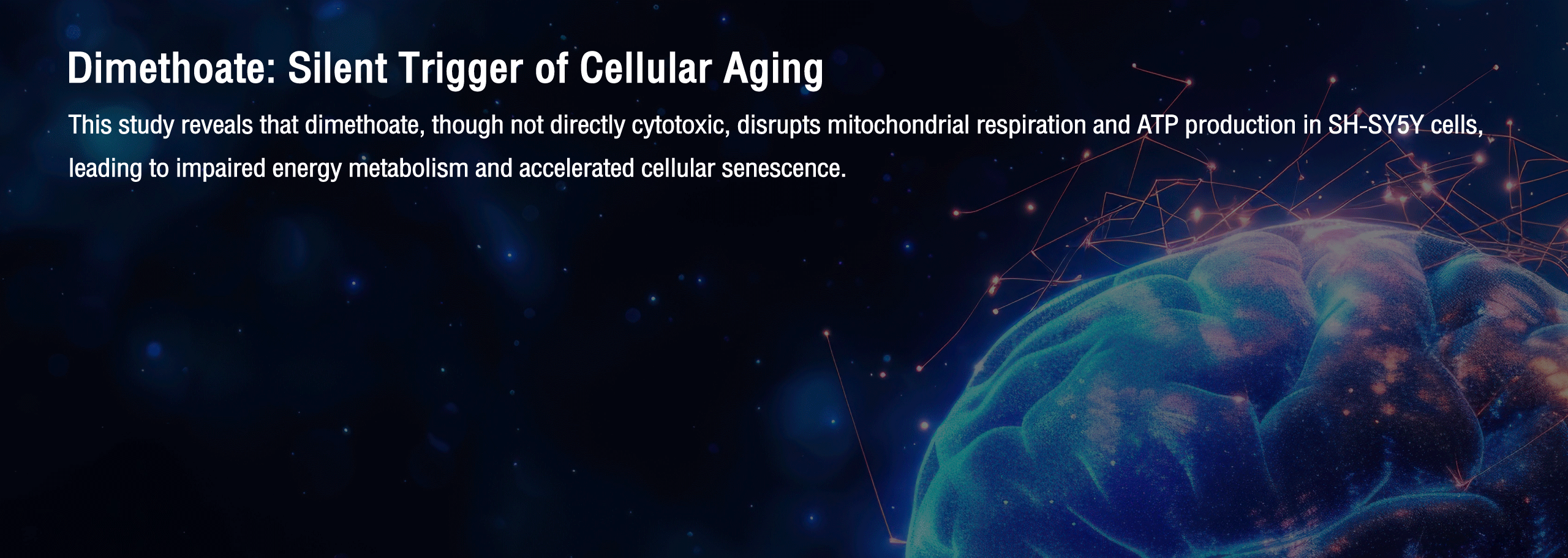
Sublethal effects of dimethoate on energy metabolism and its link to cellular senescence due to impaired mitochondrial respiration and ATP production in SH-SY5Y cells
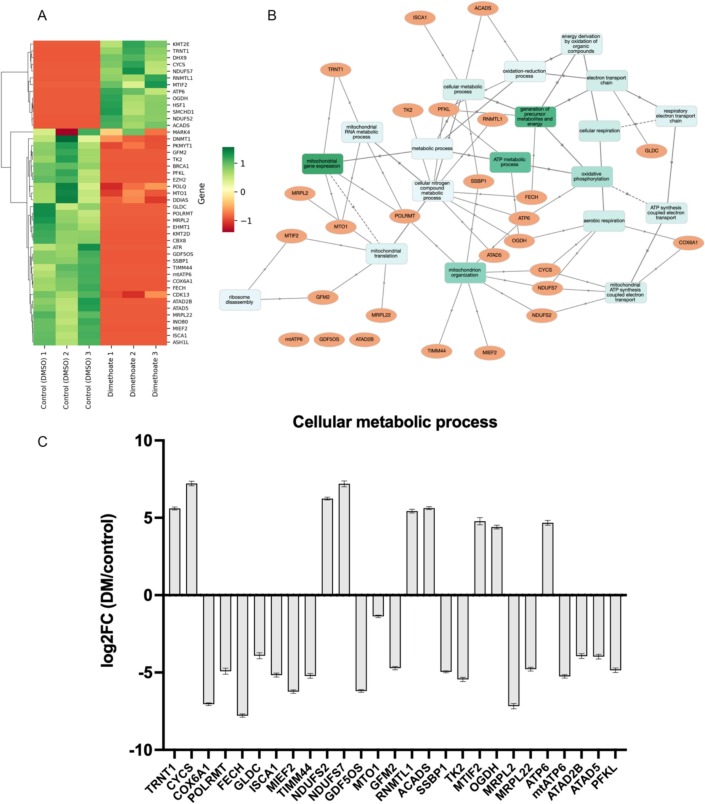
Dimethoate (DM), a widely used organophosphate pesticide, induces significant alterations in mitochondrial-related proteomes of SH-SY5Y cells without directly affecting cell viability. After, cells were exposed to 100 μM DM for 48 h, proteomic analysis revealed that 27 proteins associated with cellular metabolism and mitochondrial function were notably altered, affecting pathways such as oxidative phosphorylation, electron transport chain, and ATP synthesis. At sublethal concentrations, DM reduced mitochondrial ATP production, oxygen consumption rates (OCR), basal and maximal respiration, while preserving spare respiratory capacity (SRC) and proton leak, indicating maintained mitochondrial membrane integrity.

Despite this, DM exposure caused mitochondrial membrane depolarization and increased mitochondrial superoxide production. These mitochondrial alterations were accompanied by enhanced cellular senescence, marked by p53-independent p21 activation, p38 MAPK activation, increased senescence-associated β-galactosidase (SA-β-gal) activity, and disrupted cell cycle progression. Additionally, DM treatment led to upregulation of DNA damage response (DDR) proteins and downregulation of proteins involved in DNA repair and genome stability. Although early-stage apoptosis was observed, elevated Bcl-2 expression suggested a shift toward apoptosis resistance and senescence. DM also disrupted energy-sensing pathways by increasing AMPK subunit expression, yet suppressed autophagy, as indicated by decreased p-mTOR, p-Beclin-1, and LC3-II/I ratios. Collectively, these findings highlight a complex interplay between mitochondrial dysfunction, cellular senescence, and survival mechanisms, suggesting potential long-term effects of DM exposure on cellular health and aging processes.

Countdown to Extracellular Vesicles
โปรดแนบไฟล์ ABSTRACT เป็นชนิด PDF
โดยท่านสามารถแนบไฟล์พร้อมการลงทะเบียน
หรือส่งไฟล์มาได้ที่: sujit.vat@mahidol.ac.th

ท่านสามารถโหลดไฟล์เพื่อทำโปสเตอร์ ขนาดความกว้างไม่เกิน 90 ซม. และสูงไม่เกิน 120 ซม.
โดยที่ต้องมีชื่องานอยู่ที่ส่วนบนของโปสเตอร์
หรือใช้ไฟล์โปสเตอร์ที่เตรียมไว้ให้
ผู้ที่ประสงค์จะแสดงโปสเตอร์ต้องพิมพ์มาเอง
ภาพประกอบ Header
สอบถามได้ที่:
Email: sujit.vat@mahidol.ac.th หรือ

Tel. 086-528-7668